
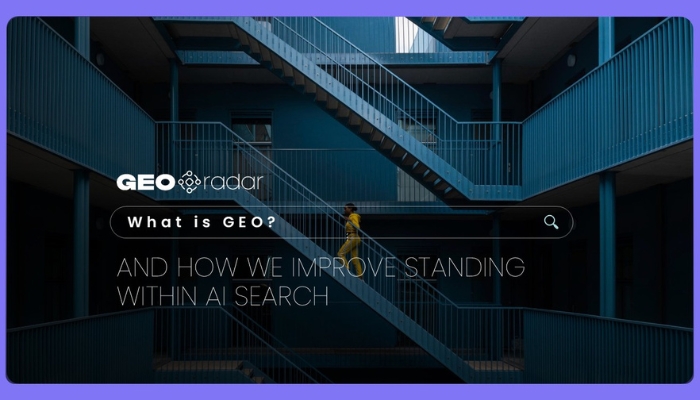
Singapore – Grayling has launched ‘GEO Radar’ across Asia-Pacific, a new insights platform designed to help organisations monitor how they appear in AI-generated search and conversational responses as brands face growing pressure to stay visible in the age of generative AI.
The platform, short for Generative Engine Optimisation Radar, tracks brand visibility across AI tools including ChatGPT, Gemini, and Perplexity, while identifying which publishers and websites shape AI-generated responses and flagging reputational risks such as misinformation, outdated content, and incomplete narratives.
According to figures cited by Grayling from McKinsey & Company, around 50% of Google searches now include AI-generated summaries, with that figure expected to exceed 75% by 2028.
“Brands used to compete to be one of many on the first page of Google. Today, they are competing to be included in the AI-generated summary at the top of the page, or in conversations with AI models that are increasingly sophisticated,” said Danny Tan, Grayling Managing Director.
“As Large Language Models change the way that brands are discovered and perceived, organisations must have visibility into how they show up in this new environment,” he added.
Grayling’s GEO Radar analyses AI-generated responses from models to map brand visibility and reputational drivers.
By tracking thousands of source citations and user prompts, GEO Radar reveals how often a brand or destination is recommended and what specific keywords or themes trigger those recommendations.
Ultimately, the tool shows businesses how AI models perceive them and identifies which editorial sources—such as major travel publications—are most influential in shaping those AI responses.
The agency plans to roll out GEO Radar across its Asia-Pacific affiliate network from June, including operations in Malaysia, Thailand, Vietnam, the Philippines, and Australia.






![[Agency Appointment] Grayling x Lazada SG](https://marketech-apac.com/wp-content/uploads/2026/05/Agency-Appointment-Grayling-x-Lazada-SG.jpg)