

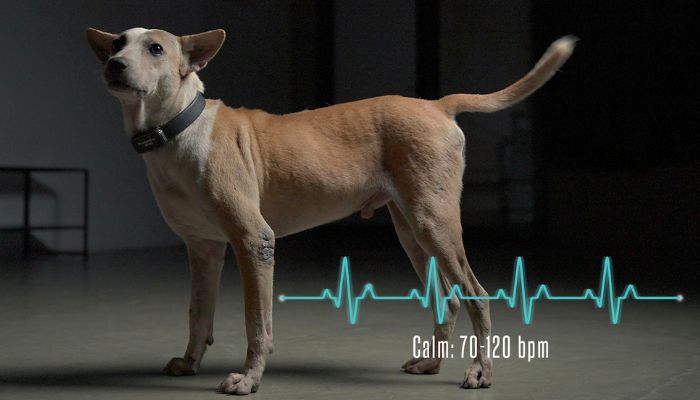
Indonesia – Hope for Strays, in partnership with Fortuna Indonesia, has launched the “Pawtective Siren” — a smart, heart‑rate‑activated dog collar that triggers a siren, LED lights, and GPS alerts to deter abuse and protect stray dogs in Indonesia.
The initiative responds to overcrowded shelters in major cities, where Indonesia’s estimated 16 million dogs far outnumber available resources. It also addresses the country’s ranking as the top contributor of animal abuse content in the 2021 SMACC report.
Jeremy Randolph, representative of the Pawtective Siren movement from the Hope for Strays Community, emphasised the need for a technology-driven preventive approach to reach areas previously beyond oversight.
“For years, shelters and volunteers have worked extraordinarily hard, but most rescues happen after abuse has already occurred. Violence often takes place in isolated locations or at night without witnesses. Pawtective Siren is designed to provide on-site protection before abuse becomes fatal,” Jeremy explained.


The collars use smart health technology to monitor dogs’ physiological responses to extreme fear. Testing by the development team showed a normal heart rate between 70 and 120 beats per minute (BPM), which can spike to 130–250 BPM during trauma or serious threat.
When the heart rate exceeds 130 BPM, the collar activates a 100–110 dB siren and high-intensity flashing LEDs, alerting people within 100–300 metres in open areas, particularly at night. A Smart Off system automatically deactivates the alarm once the heart rate falls below 120 BPM, limiting additional stress.
“We do not want the device to sound when a dog is simply playing or running. That is why testing was conducted to ensure that detected spikes truly represent panic or serious threat conditions,” Jeremy said.
Animal protection activist Melanie Subono noted that preventing violence requires more than regulation or rescue.
“Volunteers have mostly been rescuing after incidents occur, not preventing them. Regulation alone is not enough. We need collaboration from all parties—from education at home and social media engagement to public oversight. Most importantly, society must truly recognise that animals are living beings. They can feel fear, experience trauma, and lose trust in humans,” she explained.
She added that shelter overcapacity demonstrates that shelter-only strategies cannot solve the problem.
“If we rely solely on shelters, the problem will never be solved. Prevention must be strengthened, and the broader public must become a key target of education,” she said.

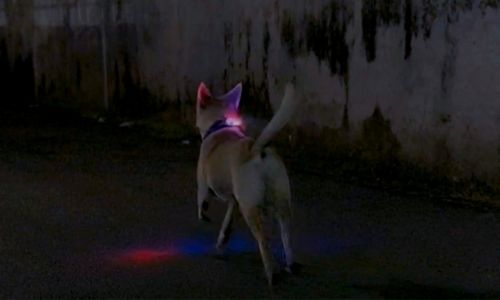
The first phase will see 500 Pawtective Siren units deployed on stray dogs in high-risk areas of Jakarta, with GPS functionality allowing volunteers to monitor locations and device status.
Jeremy stressed that the movement extends beyond a technology project, aiming to set a new standard for animal protection in Indonesia.
“Through Pawtective Siren, we want to ensure that every cry of fear from an animal no longer ends in silence. When they are threatened, the public can immediately become aware. This is not just an accessory—it is a tangible form of protection for those who cannot speak,” he said.
The initiative plans to expand to other cities through fundraising and cross-community collaboration, aiming to create a more responsive, participatory, and technology-driven animal protection system nationwide.