


Across Southeast Asia, rising living costs are reshaping how families prioritise spending. For marketers and advertisers, this shift is prompting a deeper examination of how brands communicate value, build trust, and engage meaningfully with parents—particularly mothers, who often remain key decision-makers across household purchases.
A recent report from Supermom has recently indicated that mothers in Indonesia, Singapore, and Malaysia are not just tightening their belts—they are completely re-engineering how they evaluate brand value. For marketers and advertisers in the region, the stakes are high.
While parents are willing to make deep personal sacrifices to protect their children’s wellbeing, their loyalty is no longer guaranteed by legacy brand names. To win in 2026, brands must move from being “commodities” to “trusted partners.”
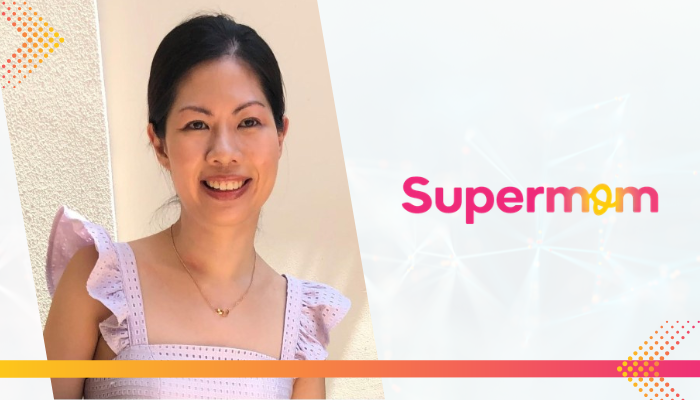
We recently spoke with Rebecca Koh, co-founder and chief of business & people at Supermom, to share her perspectives on innovation, emotional engagement, value communication, brand loyalty, and the role of community-driven insights in shaping marketing strategies for Southeast Asia’s evolving parenting landscape.
Positioning brands around value-driven priorities
As household budgets tighten, mothers are evaluating purchases more strategically. According to Koh, innovation—particularly solutions that deliver multiple benefits—has become an important differentiator.
“Innovation becomes a critical lever in winning over mothers who are balancing multiple priorities within constrained budgets,” Koh says. “Brands that can deliver multi-functional benefits (e.g., products that support both nutrition and immunity) or solutions that serve multiple family members (e.g., suitable for both child and parent) are far more compelling.”
These expectations reflect a broader shift in how parents assess value. Instead of evaluating purchases independently, many mothers now consider how a product addresses multiple needs across the household.
Koh points to findings from a study Supermom conducted with NielsenIQ Indonesia titled, which explored innovation preferences among Indonesian mothers across categories such as makeup, skincare, homecare, cooking aids, and branded food and beverage products.
“Across all categories, dual-benefit innovations consistently ranked as the top preference among Indonesian mothers,” she explains.
The implication for brands is clear: innovation that solves multiple problems simultaneously can transform spending from a perceived cost into what Koh describes as a “value-driven investment.” By addressing priorities such as healthcare, education, and nutrition within a single solution, brands can better align with how parents allocate limited budgets.
Building brand loyalty through empathy on parenting realities
Beyond product features, emotional connection remains a critical factor in building lasting relationships with parents. Koh emphasises that empathy plays a central role in effective marketing to modern families.
“Showcasing effort and willingness to understand and empathise with the struggles of modern parents is critical when building loyalty and long-term engagement from today’s parents,” she says.
Young parents today navigate a complex balancing act. They often face pressures from intergenerational expectations while adapting to changing cultural norms and pursuing personal aspirations alongside family responsibilities.
“This often creates ongoing tension, as parents make difficult trade-offs and personal sacrifices,” Koh explains.
Brands that acknowledge these realities in their messaging can foster deeper trust. Rather than simply promoting products, Koh suggests brands position themselves as partners in the parenting journey.
“Empathy signals that a brand is not only offering a product, but also providing support throughout the parenting journey,” she notes.
However, demonstrating empathy requires more than producing a high volume of marketing content. Instead, Koh believes brands must participate in the conversations parents are already having.
“Increasingly, these discussions across social platforms, communities, and real-life interactions hold as much, if not more, influence than the original content itself,” she says.
Brands that actively listen and engage—whether through comment sections, community forums, or user-to-user discussions—are more likely to become part of parents’ decision-making process.
“Ultimately, loyalty is built on trust. Brands that consistently show up with empathy and relevance to the real needs & issues faced by today’s parents will evolve from being a simple choice into a trusted partner in parents’ everyday lives.”
Communicating product value while maintaining trust in quality
Price sensitivity alone does not define today’s parents. Instead, Koh says mothers increasingly weigh purchases based on overall value and how well a product addresses their family’s specific needs.
“Today’s mothers are not simply choosing the lowest-priced option, but are evaluating which products deliver the greatest value for their family’s specific needs,” she explains.
This behaviour has contributed to the growing success of local brands across Southeast Asia. These brands often win not because of lower prices or strong brand equity, but because they effectively address local needs and communicate relevance.
To compete in this environment, Koh advises brands to make quality both visible and credible.
“This includes clearly substantiating product value through transparent ingredient labelling, proven benefits, safety standards, and credible validation,” she says.
As parents become more informed and discerning, clear and evidence-based communication becomes essential in building trust.
Equally important is shifting the narrative from product features to outcomes. Parents increasingly evaluate purchases based on how they contribute to their child’s development and overall family wellbeing.
“These outcomes must align with evolving parental aspirations, which now extend beyond traditional measures to include confidence, emotional development, and holistic wellbeing,” Koh adds.
Peer validation also plays an important role in reinforcing purchase confidence. Reviews, testimonials, and community conversations help reassure parents before they commit to a purchase.
“Brands that reinforce credibility through authentic user experiences and transparent communication are more likely to build trust and long-term engagement.”
Driving trial while strengthening retention
As household budgets tighten, brand loyalty is increasingly being tested. Koh observes that parents are more open to exploring alternatives—though not purely for cost reasons.
“Parents today are increasingly open to switching brands as they look to optimise household spending,” she says. “However, this shift is not driven solely by price sensitivity, but by a growing willingness to explore alternatives that can deliver equal or greater value for their family’s needs.”
To encourage trial, brands must deliver a clear and immediate value proposition. Promotions, bundled offers, personalised incentives, and interactive product experiences can all act as effective triggers.
“Compelling promotions such as discounts, bundled offers, interactive product experiences, and personalised incentives play an important role in driving consideration,” Koh notes.
Discovery, meanwhile, often happens through peer influence. Parents frequently rely on recommendations, reviews, and community discussions to reduce perceived risk when trying new products.
Retention, however, requires a different strategy.
“It is built on trust and proven outcomes over time,” Koh says. Once a product consistently demonstrates quality, safety, and effectiveness—particularly in essential categories like nutrition and childcare—parents become far less likely to switch.
Still, Koh warns that trust can easily erode.
“Across Southeast Asia, the primary drivers of brand distrust include concerns around product safety and quality, overpromising but underdelivering, unclear pricing, and slow or ineffective customer service.”
For brands, maintaining loyalty therefore requires consistency across the entire customer experience—from product performance to communication and post-purchase support.
“Brands that are able to deliver on their promises, communicate with clarity, and provide dependable postpurchase support are best positioned to build long-term loyalty in an increasingly competitive landscape.”
Turning parenting conversations, insights into meaningful brand engagement
Parenting decisions today are increasingly shaped within digital communities. Forums, social platforms, and private groups have become trusted spaces where parents exchange advice, share experiences, and validate product choices.
For brands, Koh says the opportunity lies not simply in monitoring these conversations but in understanding the deeper context behind them.
“Brands today have increasing access to conversations across parenting forums, social platforms, and communities. However, the real value lies not in simply observing these interactions, but in understanding the context behind them and translating them into meaningful engagement,” she explains.
Parents often rely heavily on peer networks for reassurance, particularly in community-driven environments where discussions feel more authentic and trustworthy.
“Mothers often turn to peer networks for advice, validation, and shared experiences, particularly within more private or community-driven spaces,” Koh says.
To translate these insights into effective marketing strategies, Koh advocates a structured, insight-led approach.
“For example, platforms like Supermom combine community engagement and social listening capabilities to surface real-time zero and first party data signals around parents’ needs, concerns, and decision drivers in each stage of the parenting journey.”
When used effectively, these insights can shape everything from content development to personalised brand experiences.
“Importantly, this also enables a more connected approach across the marketing lifecycle; from understanding audience segments, to delivering targeted engagement, and reinforcing trust through consistent, value-driven interactions,” she adds.
Ultimately, Koh believes brands must shift away from traditional one-way communication toward active participation within parenting communities.
“The opportunity for brands lies in moving from one-way communication to participating meaningfully within the conversations that matter to parents,” she says. By leveraging precise user insights, brands can create experiences that feel genuinely relevant and supportive—while also achieving their business objectives.









![[Study] Hong Kong consumers trust issue](https://marketech-apac.com/wp-content/uploads/2026/07/Study-Hong-Kong-consumers-trust-issue.webp)