

Kuala Lumpur, Malaysia – While almost all Malaysians engage in some form of physical activity, fewer than half do so regularly, reflecting a gap between intention and consistent participation, according to a new study by Ampersand Advisory on sports engagement in the country.
The research found that 98% of Malaysians take part in physical activity, but only 42% say they do so frequently. At the same time, sports consumption is shifting toward mobile and short-form formats, with 63% of Malaysians primarily watching highlights, clips, and recaps rather than full live matches.
Moreover, the study indicates that motivations for playing sports have also evolved. Around 90% of respondents said they participate in sports to stay healthy, while 74% cited mental well-being and stress relief. By comparison, only 25% said competition is a key motivator, suggesting a shift away from performance-driven narratives toward lifestyle and wellness-focused participation.
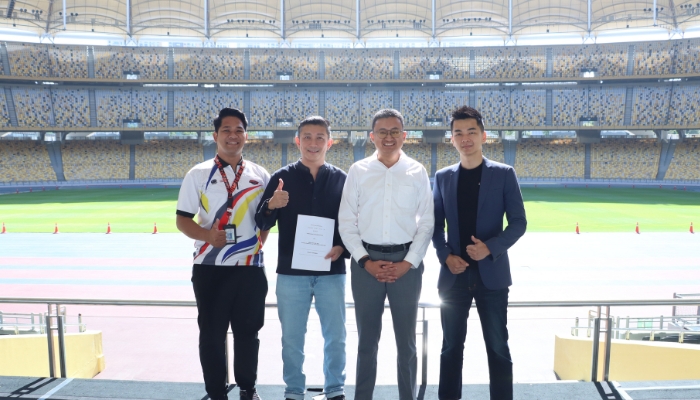
“This study moves sport marketing in Malaysia away from assumptions and towards evidence,” said Sandeep Joseph, Founder and CEO of Ampersand Advisory. “For the first time, we can see how sport actually fits into Malaysian lives: when people play, why they stop, how they watch, and what they emotionally connect with. It’s an indispensable playbook for any brand or rights holder serious about relevance in 2026.”
In terms of viewership, 84% of Malaysians consume sports content in some form, but only 31% regularly watch full matches live. Instead, many fans engage with sports content through highlights and short-form clips, typically on smartphones, indicating a shift toward on-demand and socially shared viewing experiences.
“Rights alone no longer guarantee attention,” said Mohd Ridzuan, Business Director of Ampersand Sports. “This research clearly shows that content adaptability – across live, highlights, and short-form social – is now the real asset. Brands that don’t plan for this layered consumption model will simply be skipped.”
The research also points to the rise of athlete-led fandom in Malaysia. About 61% of respondents said they identify as fans of individual athletes, nearly matching the 65% who say they follow teams. According to the report, athlete-driven storytelling often generates stronger emotional recall, authenticity, and shareability compared with traditional team-based marketing.
Despite widespread participation in sports, the study suggests that engagement remains sporadic for many Malaysians. The most commonly cited barriers to playing sports include work or study commitments, difficulty coordinating with others, and fatigue.
Discovery of new sports and athletes is also increasingly driven by digital channels. The study found that 71% of respondents discover sports through social media, while 48% rely on friends and word-of-mouth. Short-form video and highlight clips also play a key role in introducing audiences to new sports personalities and trends.
“This is not a trend report, it’s a decision-making tool,” Joseph added. “Any brand looking to leverage sport in Malaysia now has clarity on what works, what doesn’t, and where real growth lies.”