
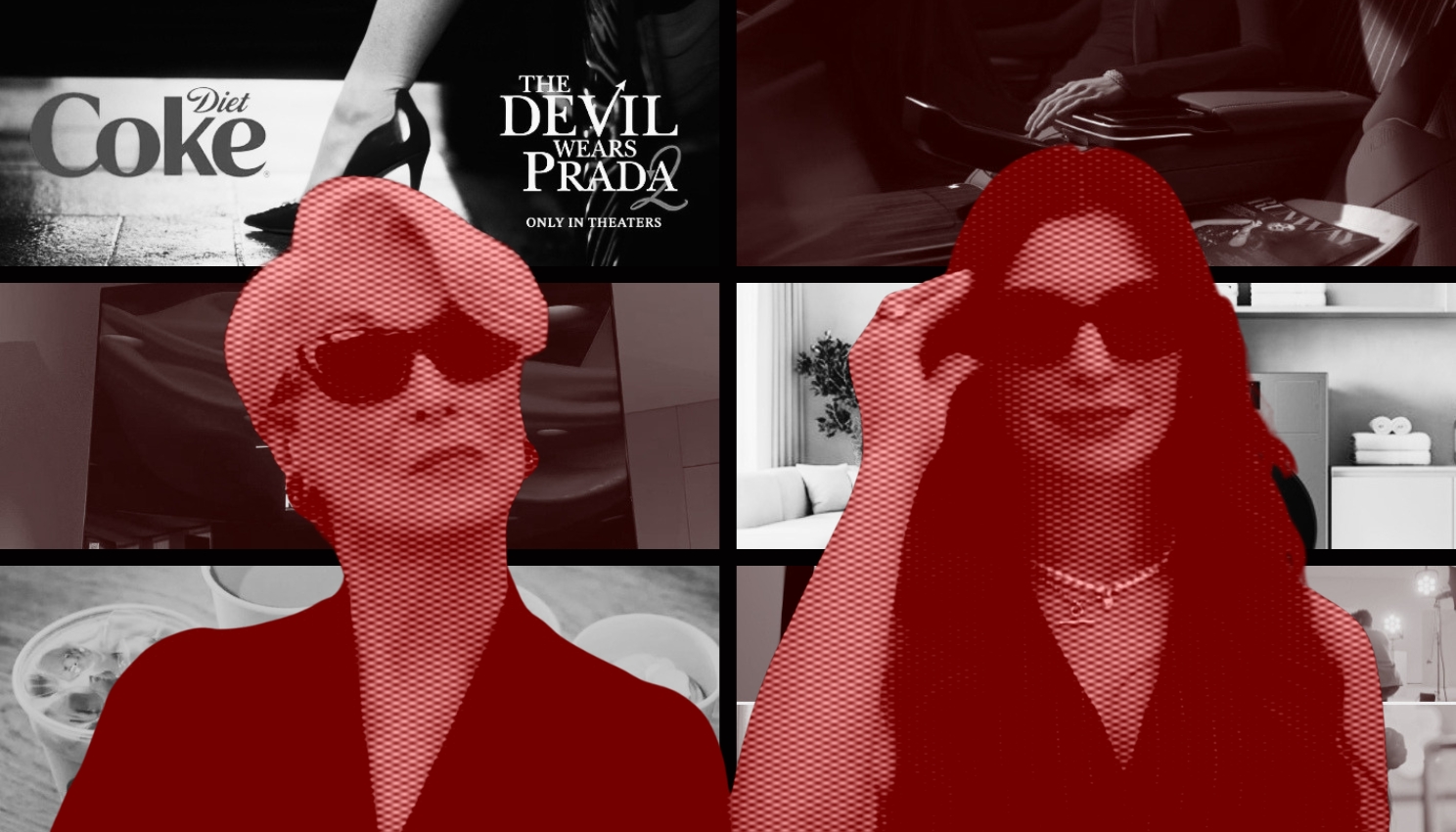
If the original The Devil Wears Prada gave audiences the cerulean monologue, impossible deadlines, and the terrifying glamour of Runway magazine, its sequel is shaping up to be something even bigger: a full-scale branded fashion universe.
Luxury, technology, and lifestyle marketers are now all competing for a seat at Miranda Priestly’s table. This time around, brands are not simply chasing screen time.
They are stepping directly into the Runway ecosystem—borrowing its editorial polish, fashion-week energy, and immaculate taste levels to transform ordinary products into objects worthy of a sample closet or front-row placement.
Across campaigns tied to The Devil Wears Prada 2, one thing is clear: in 2026, everyone wants to market like a luxury fashion editor.
Runway aesthetics become the new marketing language
Many of this year’s collaborations leaned heavily into the visual codes of fashion publishing—editorial lighting, couture styling, backstage chaos, and the cultivated cool long associated with the Runway universe.
Samsung Electronics transformed the film’s New York premiere into a full-blown runway spectacle through its “Runway Cam #withGalaxy” campaign, positioning the Galaxy S26 Ultra less like a smartphone and more like an editor-approved fashion-week essential.
Celebrity arrivals were staged like model walk-ins, complete with camera-pit flashes, couture energy, and social-ready captures reminiscent of Paris Fashion Week street-style galleries.
The campaign treated the red carpet like a September issue cover shoot—where every angle, pose, and candid moment could instantly become content.
Samsung extended this couture-tech narrative further through a separate campaign for its Bespoke AI Laundry Combo.
Using the image of a striking red garment moving through its AI-powered washer-dryer, the brand reframed fabric care as something closer to atelier preservation than household maintenance.
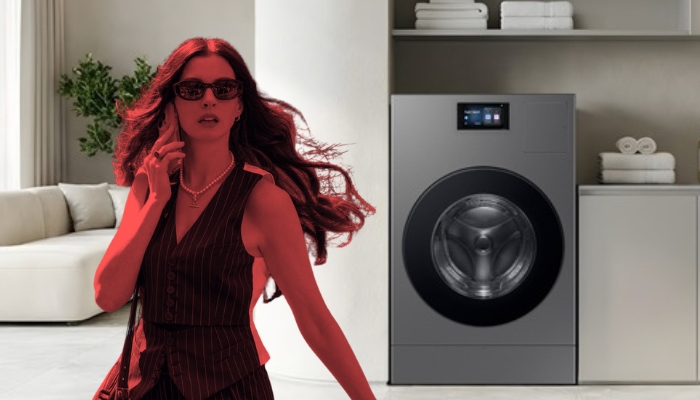
In the Runway world, clothes are never just clothes—and Samsung cleverly translated that mentality into appliance marketing. Fabric care became garment stewardship, precision became luxury, and laundry suddenly felt worthy of Miranda Priestly approval.
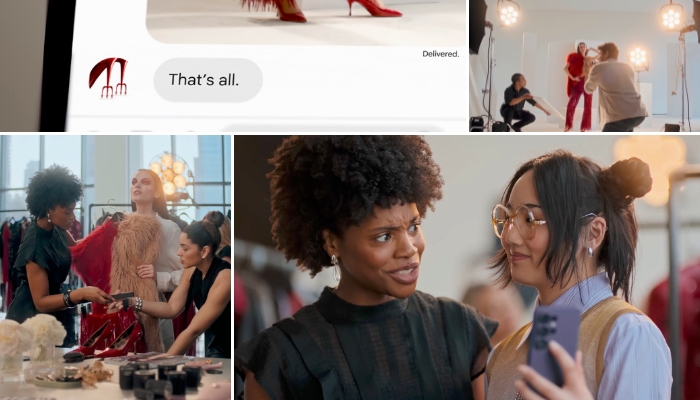
Diet Coke approached the franchise from another angle, turning fashion accessorising itself into the campaign hook.
Its metallic “Canny Pack”—a single-can carrier styled like a silver micro-bag—felt perfectly calibrated for the film’s universe of impossible accessories and hyper-styled office essentials.
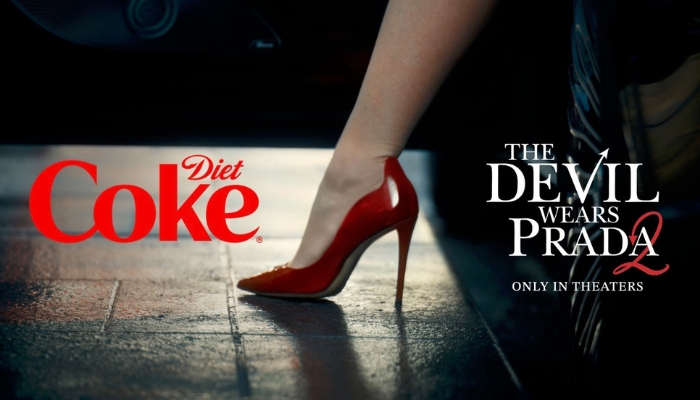
The accompanying short film, “That’s All”, channelled the clipped restraint and intimidating composure synonymous with Miranda’s office, proving that even a Diet Coke break can feel editorial when framed correctly.
Together, these campaigns show how deeply fashion publishing aesthetics now influence global marketing far beyond apparel itself.
Products are no longer sold through utility alone—they are styled, curated, and art-directed like luxury editorials.
From consumers to Runway insiders
Other brands focused less on spectacle and more on immersive participation, inviting audiences to step directly into the Devil Wears Prada universe through daily rituals and personalised experiences.
Starbucks extended the franchise into coffee culture through a global “secret menu” inspired by the film’s central characters.
Rather than relying on generic movie branding, the campaign transformed drink customisation into character roleplay—allowing consumers to order like Miranda, Andy, Nigel, or Emily.
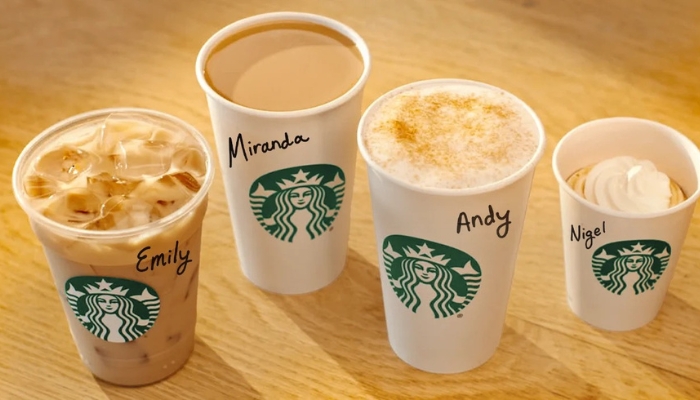
Miranda’s exacting extra-hot latte mirrored her famously uncompromising standards, while Andy’s softer oat-milk cappuccino reflected her transformation from uncertain assistant to polished Runway insider.
The activation cleverly tapped into one of the franchise’s most iconic recurring motifs: coffee runs as currency within the fashion hierarchy.
At Starbucks Reserve locations, limited-edition Runway magazine tie-ins and themed merchandise extended the fantasy further, turning café visits into miniature editorial experiences.
Much like the film itself, the campaigns understand that audiences are drawn not only to fashion, but to the aspiration of belonging—to being backstage, front row, or even just trusted enough to carry Miranda’s coffee order without getting it wrong.
Luxury, restraint, and the performance of power
While some campaigns leaned playful and participatory, others embraced the colder, sharper side of the Devil Wears Prada fantasy: authority, exclusivity, and controlled elegance.
Mercedes-Maybach’s “The Art of Arrival” campaign positioned the Mercedes-Maybach S-Class as the official vehicle of editorial power.
Miranda Priestly’s entrances became carefully choreographed fashion moments, where silence, timing, and restraint communicated status more effectively than spectacle ever could.
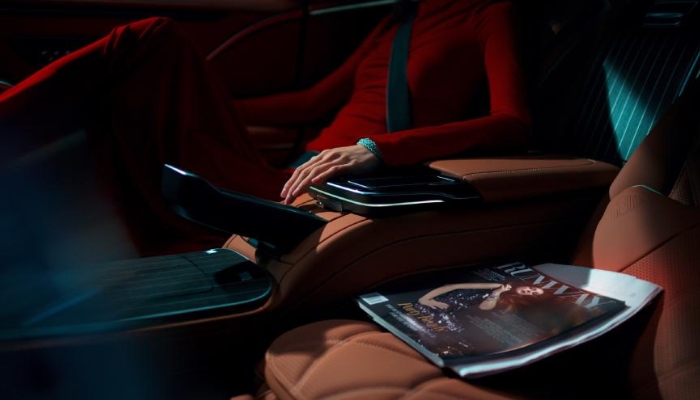
The campaign mirrored the language of haute couture itself. Precision stitching, tailored interiors, and restrained detailing were framed like custom atelier craftsmanship—luxury communicated through quiet confidence rather than excess.
Even the act of stepping out of the vehicle felt staged like a runway reveal.
Similarly, Hisense embedded its RGB MiniLED televisions directly into the glass-walled offices of Runway magazine, transforming screens into part of the film’s aesthetic architecture.
Rather than dominating through overt advertising, the brand positioned its technology as something naturally belonging inside elite creative spaces.
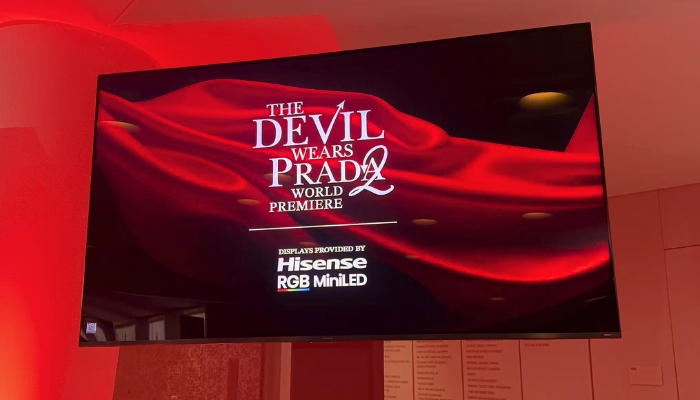
At the world premiere, Hisense extended this approach into the red-carpet environment itself, using its displays as part of the event staging—blurring the line between entertainment technology and fashion set design.
These campaigns reflect how premium brands increasingly sell atmosphere over functionality.
The new era of cinematic brand worlds
Taken together, the The Devil Wears Prada 2 partnerships reveal a broader shift in how brands approach entertainment marketing.
Brands are using the Runway universe as a cultural operating system—one where appliances become couture caretakers, coffee orders become character storytelling, cars become symbols of editorial authority, and smartphones become fashion-week production tools.
The result feels less like advertising and more like participation in a shared fantasy.
And perhaps that is why these campaigns resonate so strongly.
The enduring appeal of The Devil Wears Prada has never been about fashion alone. It is about aspiration, transformation, taste, and the intoxicating pressure of trying to belong in rooms where standards are impossibly high.
In a media landscape overflowing with disposable content, these campaigns understand something crucial: audiences do not just want products.
They want the fantasy of being effortlessly chic while carrying three coffees, surviving impossible deadlines, and hearing Miranda Priestly say, “That’s all.”

![[Collaboration] Samsung AI x TDWP2](https://marketech-apac.com/wp-content/uploads/2026/05/Collaboration-Samsung-AI-x-TDWP2.jpg)
![[Collaboration] Hisense x TDWP](https://marketech-apac.com/wp-content/uploads/2026/05/Collaboration-Hisense-x-TDWP.jpg)
![[Collaboration] Starbucks x TDWP2](https://marketech-apac.com/wp-content/uploads/2026/04/Collaboration-Starbucks-x-TDWP2.jpg)
![[Collaboration] Coke x TDWP2](https://marketech-apac.com/wp-content/uploads/2026/04/Collaboration-Coke-x-TDWP2.jpg)
![[Campaign] The Art of Arrival TDWP 2](https://marketech-apac.com/wp-content/uploads/2026/04/Campaign-The-Art-of-Arrival-TDWP-2.jpg)
![[Samsung] The Devil Wears Prada 2](https://marketech-apac.com/wp-content/uploads/2026/04/Samsung-The-Devil-Wears-Prada-2.jpg)