
New York City, United States – South Korea’s instant noodle powerhouse Nongshim is turning up the heat with its global tie-in celebrating Netflix and Sony’s animated sensation KPop Demon Hunters.
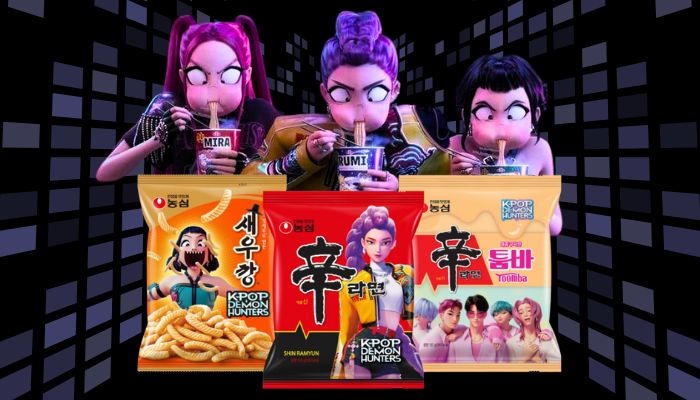
Riding the film’s worldwide popularity, the brand earlier rolled out a limited-edition range starring its iconic Shin Ramyun and Shrimp Crackers—and now, is taking over New York’s Times Square for a fiery launch that fused pop culture and street flavour.
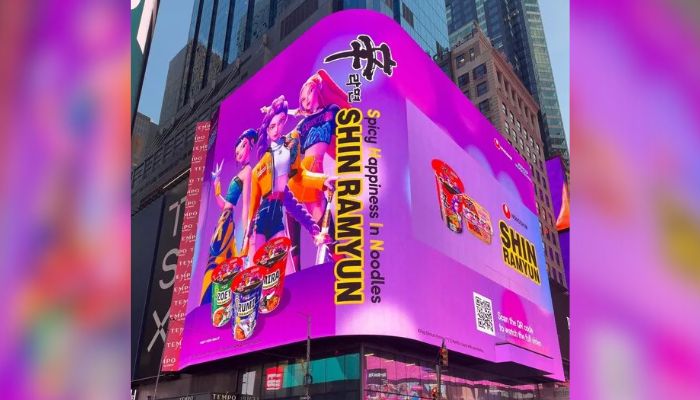
At the iconic intersection drawing over 450,000 visitors daily, Nongshim’s KPop Demon Hunters-inspired Shin Ramyun lit up a giant digital out-of-home screen, while themed zones on-site offered a full sensory experience.
Fans flocked to sample “Shin Toomba,” cooked on instant noodle cookers in tribute to Korea’s “Hangang Ramyun” culture, and snapped selfies at instant photo booths decked with the film’s beloved heroines, Rumi, Mira, and Zoey.
A social media challenge and prize giveaways kept the buzz alive online, extending the noodle-fuelled energy beyond Times Square.
“This campaign went beyond simple digital advertising to become a festival where global consumers could directly taste and enjoy Shin Ramyun. Starting from New York Times Square, we will continue to connect directly with consumers worldwide and actively spread Shin Ramyun’s global slogan, ‘Spicy Happiness In Noodles,’” the company said.
The collaboration comes as KPop Demon Hunters continues to dominate Netflix charts since its June 20 release, amassing 210.5 million views and averaging 26 million weekly over the past five weeks.
Nongshim’s special edition cup noodles—inspired by the bowls slurped by the film’s trio of demon-hunting idols—will roll out across South Korea, North America, Europe, Oceania, and Southeast Asia.
The partnership brings fan-favourite characters to some of Nongshim’s most loved products, including Shin Ramyun, Shrimp Crackers, and the newly launched Shin Ramyun Tumba All-Purpose Sauce.
By tying its core products to a global cultural moment, Nongshim amplifies its reach among Gen Z and millennial audiences driving both K-pop fandom and streaming culture.