

Shangri-La Singapore has recently named Koo Sok Hoon as its new director of marketing. In an exclusive conversation with MARKETECH APAC, Sok Hoon mentioned that her approach will begin with a critical evaluation of how to differentiate their strategies within the competitive landscape of the hospitality industry.
“The goal is to strategically position Shangri-La Singapore as the premier destination of choice for accommodations, dining, family experiences and meetings, ensuring it stands out as a leader in the market,” she said.
She also added that while the foundational elements of key marketing strategies — such as comprehensive 360-degree campaign activation and a digital-first approach — remain essential, her primary focus will be on amplifying the brand’s presence across digital and other platforms.
Looking back at past roles
Sok Hoon previously held for BMW Group, where she first started out as a marketing communications manager for 7 years before taking the role of head of marketing communications. Prior to that, she was a communications manager for Gucci, as well as marketing communications manager for Breitling.
Reflecting on these previous experiences, she said that one of the most valuable lessons she has embraced is the importance of challenging the norm and being bold in trying new approaches to elevate a brand. Moreover, she also learned that staying stagnant or adhering to conventional strategies often means blending in rather than standing out.
“In my experience, taking calculated risks — backed by data and insights — has consistently driven significant impact and innovation. For example, at BREITLING, I spearheaded a campaign that broke away from traditional luxury marketing, leveraging unconventional user-led storytelling that resonated deeply with a wider audience and resulted in measurable growth during the Singapore Airshow,” she said.
Sok Hoon noted that introducing new ideas often requires buy-in from senior stakeholders, and ability to articulate the vision, align it with business objectives, and demonstrate the potential ROI.
“In my new role, I intend to bring this mindset of experimentation and calculated risk-taking to push boundaries, explore untapped opportunities, and ensure the brand remains ahead of the curve. It’s about balancing creativity with strategy to deliver results that not only meet but exceed expectations,” she added.
Marketing challenges in the hospitality industry
Sok Hoon noted that scaling marketing strategies for hospitality brands involves both major challenges and promising opportunities. The key difficulty, they explained, is finding ways to stand out in a highly competitive market, which demands innovative and unconventional approaches.
At the same time, they added, this environment creates significant opportunities for those willing to think creatively and move beyond traditional frameworks.
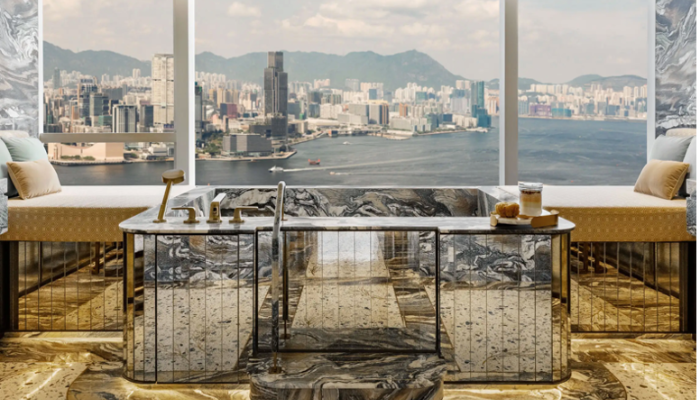
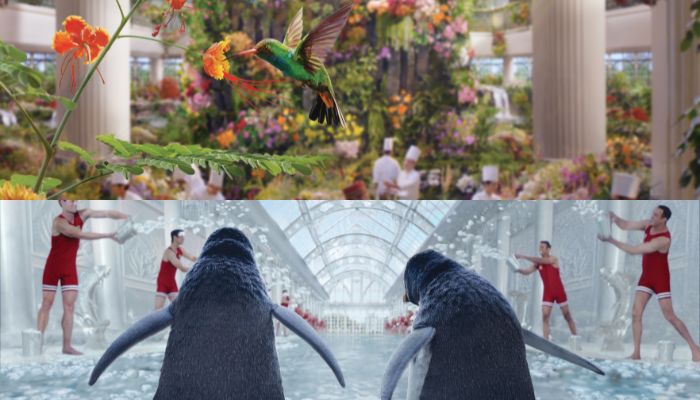
“For instance, Shangri-La’s extensive room inventory, thoughtfully themed F&B outlets, immersive family play spaces and versatile MICE facilities offer a uniquely robust product portfolio. This provides a fertile ground for crafting multifaceted marketing strategies that can appeal to diverse audiences,” she said.
Sok Hoon added, “My approach has always been to leverage such unique assets in unconventional ways, ensuring that the brand not only captures attention but also creates lasting value and differentiation in the market.”
Creating effective marcomm strategies
Looking back again her past roles, Sok Hoon shared that one of the most important lessons learned is the need to build meaningful and authentic connections with consumers. In the current landscape, she said, effective marketing communication should prioritise the customer’s perspective by continually asking what value it brings to them, ensuring that messages and initiatives resonate and remain relevant.
“For example, during my time at GUCCI, we tailored our strategy to focus on personalised experiences for high-value customers, particularly during periods of low consumer demand. By curating exclusive, one-on-one appointments that aligned with individual preferences, we were able to strengthen relationships with our most loyal clientele. This not only reinforced brand affinity but also drove revenue during challenging times,” she explained.
Sok Hoon added, “This underscores the broader principle that modern marketing strategies must be customer-centric, leveraging personalisation and authenticity to build trust and loyalty, especially in a competitive and rapidly evolving market.”
Looking ahead
Sok Hoon noted that looking ahead, her leadership milestones and legacy goals are firmly centred on driving innovation, fostering team growth, and creating a lasting impact for the brand.
“Throughout my career, I’ve consistently approached brand strategy with a focus on passion projects that not only elevate the brand but also create meaningful connections with its audience,” she explained.
For instance, during her time at BREITLING, she spearheaded the BREITLING South East Asia Acrobatic Jet Team Display Airshow, which celebrated the brand’s aviation heritage and resonated strongly with watch collectors, reinforcing their affinity for the brand. Similarly, with BMW, she led the takeover of a 100-meter OOH display, crafting a high-impact narrative around the new BMW 7 Series and its unique selling points, which significantly amplified its market presence.
“In my current role, I aim to bring this same level of innovation and strategic thinking to Shangri-La Singapore, crafting unconventional yet impactful initiatives that not only differentiate the brand but also leave a lasting impression,” she said.
She then concluded, “My goal is to inspire my team to think boldly, push boundaries, and deliver results that drive both immediate and long-term value for the brand. Ultimately, I aspire to build a legacy of transformative marketing strategies that strengthen brand equity and if possible, set new benchmarks in the industry.”