


While travel globally has returned seemingly to normal levels following the pandemic, many aspects of it have seen a significant slump, including revenue in airport retail. In the case of Malaysia Airports, the challenge lies in revitalising airport retail spending across its five international airports and ramping up the excitement that lies in shopping at the airport.
In this latest case study, we explore how Malaysia Airports’ ‘Licence To Win’ campaign, done alongside TEAM LEWIS, used the power of retail marketing to not only protect the slump of its airport retail revenue but also be able to convert travellers across its airports as shoppers and boosting the retail performance of the stores on its airports.
The Challenge
While passenger traffic was recovering, retail spending had not kept pace, presenting a major problem for Malaysia Airports. The core objective was to convert these returning travelers into shoppers and boost retail performance across five international airports.
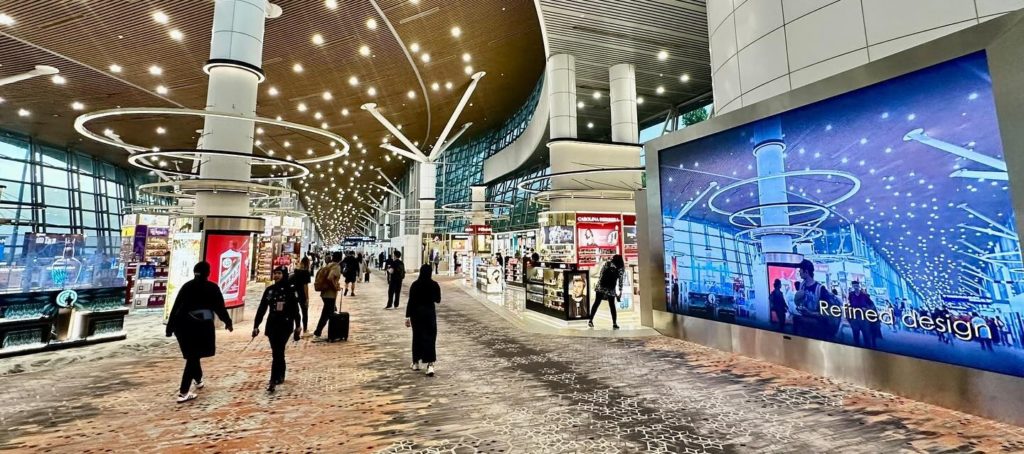
Moreover, Malaysia Airports had to focus on these three key challenges.
- Lagging Retail Spending: The primary problem was a disparity between recovering passenger numbers and stagnant retail sales. This indicated that travelers were not engaging with the commercial offerings.
- Scale and Diversity: The campaign needed to be a single, cohesive solution that could work across five distinct airports, hundreds of tenants, and a vast range of product categories, from luxury goods to F&B. It also had to appeal to a broad and diverse audience of international and domestic travelers.
- Sustained Performance: The ultimate goal was not a short-term sales spike but a sustained lift in overall sales that would change shopping behavior and build long-term momentum.
The Goal
Addressing the aforementioned challenges was critical for Malaysia Airports’ broader business goals and innovation within the travel retail industry.
For the brand, the campaign’s success was directly tied to its financial health. Airport retail is a major revenue stream, and a slump in spending directly impacts the bottom line. By addressing this, Malaysia Airports was not just running a promotion; it was protecting a vital part of its business model. The campaign also positioned the brand as a proactive and innovative player, shifting the perception of airports from mere transit hubs to dynamic retail destinations.
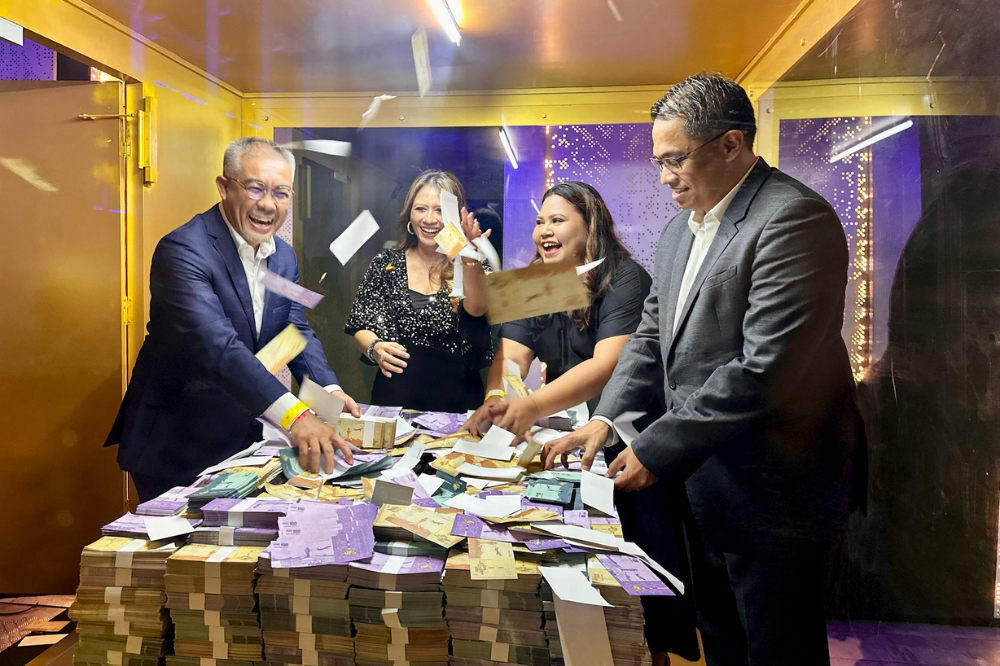
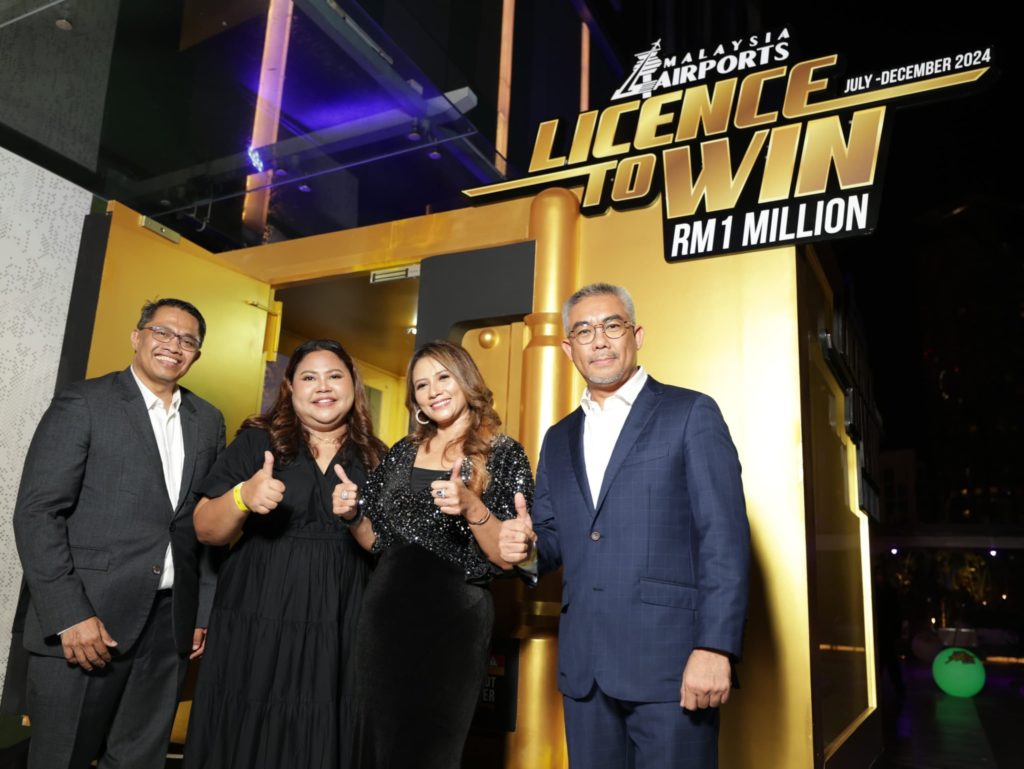
For the industry, the campaign provided a blueprint for how to stimulate post-pandemic travel retail. The strategic approach of using a single, compelling mechanism (Licence to Win) to unify diverse brands and appeal to a varied customer base demonstrated a scalable solution for a common industry problem.
By focusing on ease of entry and high-perceived value, the campaign offered a model for driving sustained retail performance, proving that airports can be more than just a place to wait for a flight. This approach highlighted how innovation in marketing can be used to re-engage consumers and redefine the airport experience.
The Methodology
For the campaign, Malaysia Airports’ idea was simple: Turn the airport into a playground for shoppers, give them a reason to explore, and give them a reason to spend. Moreover, it focused on three key things:
- A clear mechanic
- Strong incentive
- Full retail participation
Lastly, shoppers needed to spend a minimum amount, scan their receipt, and instantly enter the running for attractive prizes.
Inclusivity – To ensure scale, Malaysia Airports made it inclusive. The campaign ran across all five international airports. All retail and food and beverage tenants were onboarded, from high-end brands to convenience kiosks. This meant every spend counted, which opened up the campaign to every type of traveller.
The creative was inspired by a spy thriller theme. This gave the campaign a cinematic edge that looked good across in-terminal visuals and digital channels. For this, the brand placed eye-catching signage throughout departure and arrival halls, with QR codes leading to the campaign microsite.
360 Communications – Staff were briefed to actively promote the campaign. Retailers were provided with in-store tent cards and talking points to encourage participation at
checkout. Screens around the airport pushed the narrative further, creating a sense of urgency and movement.
To expand reach, the brand activated paid media and engaged influencers to amplify the campaign. Content was focused on the excitement of shopping and the ease of entry. No hard sell–Just a reminder that a small purchase could unlock a big reward.
Digitisation – All entries and receipts were tracked digitally. This allowed us to monitor participation and identify high-performing locations. It also gave us visibility on spend patterns, which informed mid-campaign optimisation.
The structure was designed for scale and speed. No onboarding delays. No operational bottlenecks. Just a retail campaign that worked across the board.
The Execution
The campaign went live across all five international airports simultaneously. From the start, it was visible, accessible, and simple to take part. Key visuals were placed at high-traffic spots across the terminals, including the departure halls, check-in counters, boarding gates, and retail areas. Clear callouts guided passengers on how to enter.
Moreover, retailers played a key role, as every tenant was equipped with campaign materials and briefed to promote participation during checkout. The messaging was consistent: “Spend. Scan. Win.” It did not disrupt their operations and was easy to communicate.
To build momentum, the campaign ran for several months. This then gave passengers time to encounter it multiple times, especially frequent travellers. It also allowed for a steady build in participation rather than a short-term spike.
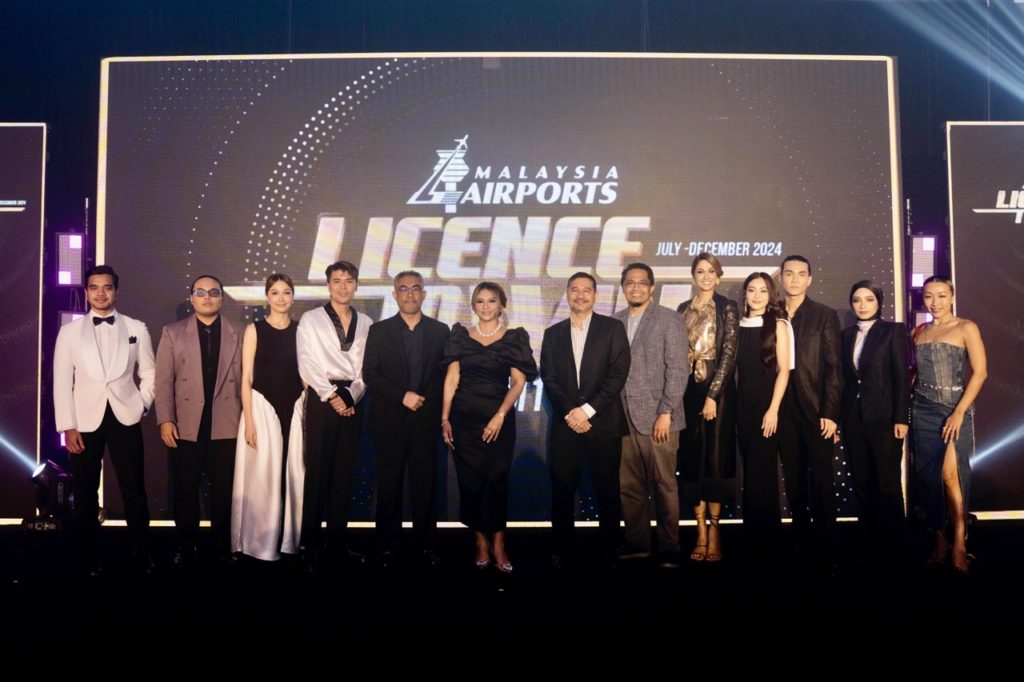
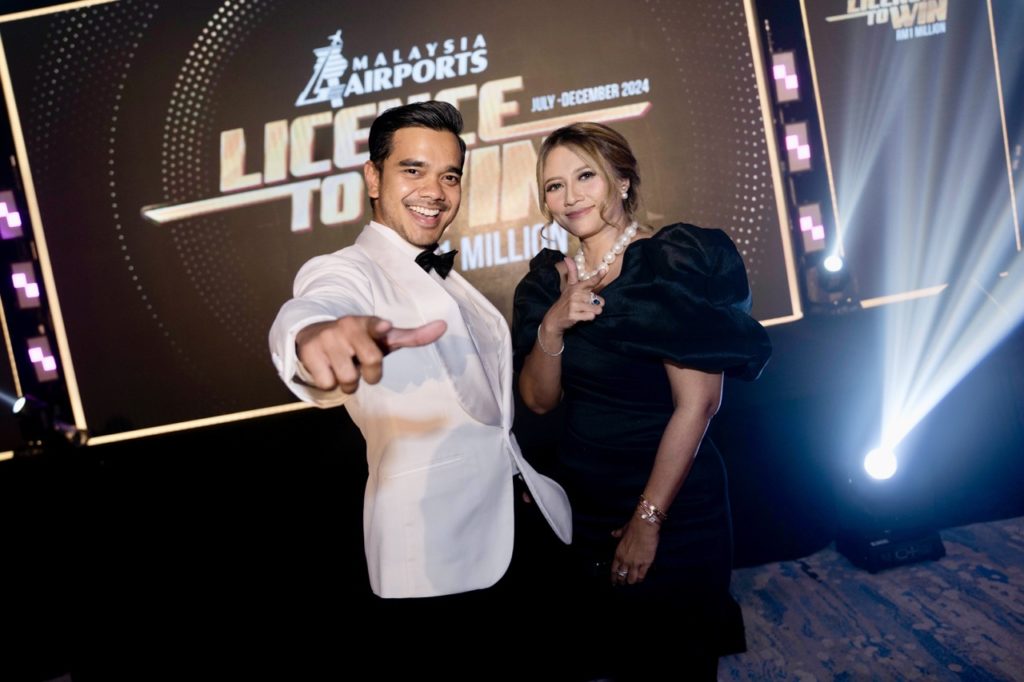
Moreover, Malaysia Airports activated paid digital ads targeting passengers before and during travel. This included airport WiFi login pages, geo-targeted mobile ads, and social media placements. The campaign’s messaging also focused on the opportunity to win by doing what people already planned to do which was shop and eat.
In addition, influencers were brought in to show the experience from a traveller’s point of view. Their content focused on discovering products, exploring airport retail, and joining the campaign. This helped normalise airport shopping as something enjoyable and rewarding.
A central microsite for the campaign was also made to make submission easy. There were no app downloads nor complex forms involved, as users simply snapped a photo of their receipt and submitted it in seconds. All backend tracking was automated to reduce friction.
By removing barriers, the brand made sure nothing got in the way of the one action that mattered — the purchase.
The Results
Influencer content and social media amplification extended the campaign reach beyond terminals. The hashtag #MYLicencetoWin gained traction, and passengers began sharing their own entries and in-airport finds. For Malaysia Airports, they did not just meet participation targets, but exceeded them. Moreover, they did it without heavy discounts or aggressive push tactics. The campaign created an experience that felt exciting and worth joining. For a recovery year, these numbers were more than promising. They were proof that airport retail is not just back, but thriving.
The results also spoke volumes, as over 300,000 entries were recorded during the campaign period. That means over 300,000 real receipts, proving the campaign drove more than just awareness.
Moreover, the campaign achieved the following:
- Retail sales across the five international airports exceeded RM200 mil – While not all sales were directly tied to the campaign, the surge was clear. ‘Licence to Win’ played a clear role in driving momentum.
- Sales among food and beverages went up by 58% – It was a clear sign that the campaign played a role in changing traveller habits, getting more people to dine and spend before their flights.
- Retailer also reported improved basket sizes – Many travellers ended up spending more than the minimum required, hoping to boost their chances of winning. This tied in well with the campaign’s goal to go beyond just footfall and drive stronger engagement at the point of sale.




![[Study] Hong Kong consumers trust issue](https://marketech-apac.com/wp-content/uploads/2026/07/Study-Hong-Kong-consumers-trust-issue.webp)