

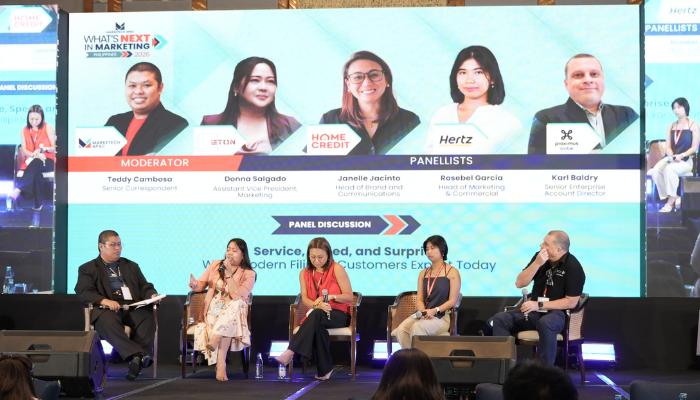
For today’s Filipino consumers, great service is no longer defined by a single moment of interaction—it is measured by how seamlessly brands deliver speed, reliability, and thoughtful experiences across every touchpoint.
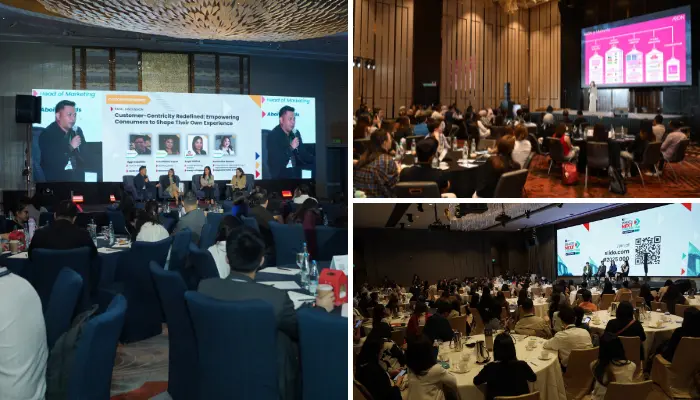
At the What’s NEXT in Marketing: Philippines 2026 conference, marketing leaders Donna Salgado, AVP – Marketing, PR & Corp Comm at Eton Properties Philippines Inc.; Janelle Jacinto, Head of Brand and Communications at Home Credit; Rosebel Garcia, Head of Marketing at HERTZ Philippines, and Karl Baldry, Senior Enterprise Account Director at Proximus Global as they unpacked how rising expectations are reshaping the customer experience landscape in the Philippines.
From the growing demand for responsive and dependable support to the challenge of delivering frictionless service without compromising quality, the conversation highlighted how brands must balance efficiency with genuine care.
Creating efficient CX strategies without sacrificing quality
For Eton Properties’ Donna, she understands that for a premium developer brand like them, fast responses can shape first impressions—but meaningful engagement builds long-term trust.
“When we mapped it out, we wanted to make sure that we had it as accurately as possible. So it won’t matter if it’s their first inquiry or their tenth inquiry. It shouldn’t matter whether they are asking, ‘May I ask for a sample computation?’ Or ‘What’s the status of my unit?’ [or] ‘When am I going to move in?’ or ‘When is the turnover?’ What we need to do is to anticipate that need. Because just being fast is not going to gain their trust,’ Donna explained.
She also added that what will lose customer trust is when a brand is fast at first and then they are silent the next time without giving them updates. For her, it’s all about consistency at every touch point.
“Anticipate their needs, know what they are feeling, and how important this is for them. So that you can provide them before they even ask for it, you provide the update already,” Donna noted.
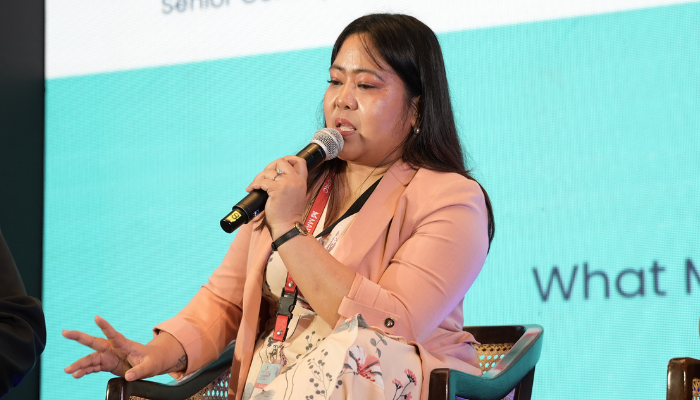
Meanwhile, Home Credit’s Janelle shared that speed is part of the process, like in their case, it’s all about the approval process for their loan offerings for items like cellphones, laptops, and appliances. However, intent remains vital in their CX process through offline engagement of their associates.
“Our online-to-offline experience is really important because it’s the interaction with our sales associates that becomes intentional. They explain everything, they explain what’s in the contract, they explain their payment terms, and that’s where I believe the balance between the speed and processing and the intentional and personal customer experience creates the whole premium. It’s not just about the speed, but it’s the balance between both,” she stated.
Customer service that shines
In a relationship-driven market like the Philippines, local customers demand human connection from the brands they interact with, while at the same time evolving to demand greater speeds amid the rise of digital services.
In the case of Hertz Philippines, Rosebel highlights that their pre-confirmation call or message has remained as a ‘signature move’ for the brand amid increased adoption of contactless approvals.
“In the Philippines, we cannot deny the fact that we’re trying to lead towards more digital bookings and digital conversations with all of our renters. But I think one signature touch that we haven’t given up at this point is the pre-confirmation call or message…That’s where human intervention and human touch are still very important to us,” she explained.
Through this ‘move’, Rosebel explains that the brand’s fulfilment team will be reaching out to the client to check on their travel status–whether there have been delays or schedule changes–and waiting for them even beyond their office hours before they pick them up.
On a more technical note, Proximus Global’s Karl’s viewpoint on creating a service that shines is all about two-way engagement, where customers want to engage with the brand and the brand wants to engage with the customer.
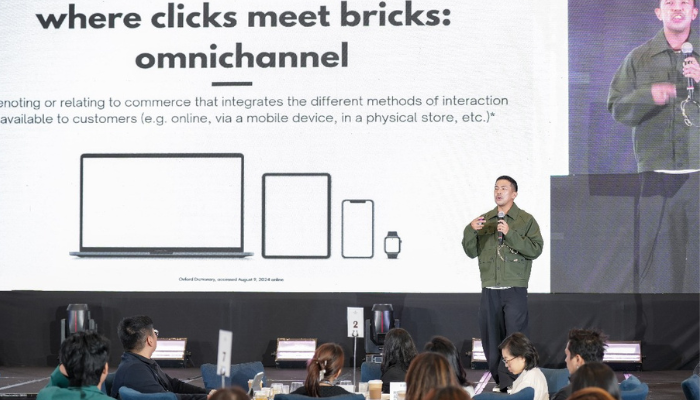
“We’ve seen a real shift in the last year, two years, around brands engaging, doing one-way engagement. Now we’re seeing a two-way engagement with customers. And I think that’s probably one of the better drives we’re seeing in the industry. Obviously, the customer wants to have a voice, wants to come back, and they want to do that across omni-channel,” he explains.
As with any CX strategy implementation, Karl understands that this all depends on the company first, their internal challenges, and budgeting around that. But for him, moving to a true omni-channel solution will always be in response to the growing demand from customers to communicate with brands directly–whether across Viber, SMS, WhatsApp, or email.
“Customers want to be contacted at the right time, with the right offer, through the right medium, the right channel…The industry is definitely moving away, and focusing more on two-way engagement. That’s how brands capture the information, learn about their customers, and please their customers,” he said.
Building CX to foster customer confidence
Circling back to Eton Properties’ Donna regarding the property development experience, she shared that with the property buying experience being complex already in the Philippines due to paperwork, permits and legal requirements, they accept such complexity. What they want to assure customers is that they don’t get lost in that process maze.
“For us to build confidence with our prospects is to make sure that we anticipate their needs. That they would feel that this developer knows what they are doing, and that they are with me every step of the way,” she said.
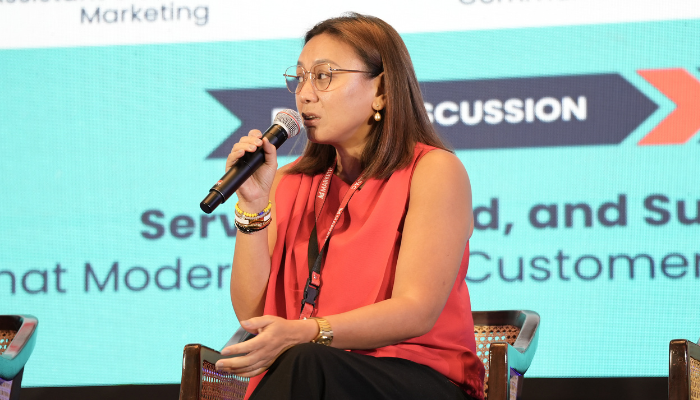
Meanwhile, Home Credit’s Janelle notes how trust is still paramount in building confidence, as she highlights again the importance of their sales associates to build the ‘human touch’ aspect of customer experience.
“The online-to-offline experience is still very important for us. You can do everything in your app. You can get all the information that you can from the app. But it’s our frontliners that deliver that human touch,” she said.
Those ‘frontliners’ are composed of more than 10,000 sales associates, as well as their field collection officers, who are bonded by their purpose as a brand.
“All of our frontliners, even us in the back office, we’re all rooted in one thing, which is our purpose. And that is to power the everyday progress of every Filipino through every product that they purchase through us, from the services that they get from us, even to the after-sales. We’re not just about you buying, or you purchasing, or you getting a loan from us. It’s about how we help you throughout that process. And we’re consistent. We try to be consistent across all of our touch points,” she explained.
Janelle admits that systems will not always be perfect, especially with more companies migrating to digital platforms to interact with their customers. At the end of the day, despite using new digital platforms to engage with customers is creating efficiencies, engaging in-person for customer care is still important.
“Yes, we are going for the digital-first experience. But in a world where our hard-earned money is what we use to buy our stuff. I think the value of being able to talk to a real person in our call centre, in our customer care, is very important,” she added.
The ‘surprise and delight’ element in CX
In an industry that is very competitive in the mobility space, Hertz Philippines’ Rosebel shares three key human opportunity moments: quick response to travel-related disruptions, customer pickup, and drop-off. For her, this is all about putting the customer at the centre of everything–with little to no questions asked during the process.
“These moments are very crucial in building trust and, of course, not diminishing the human interaction value,” she noted.
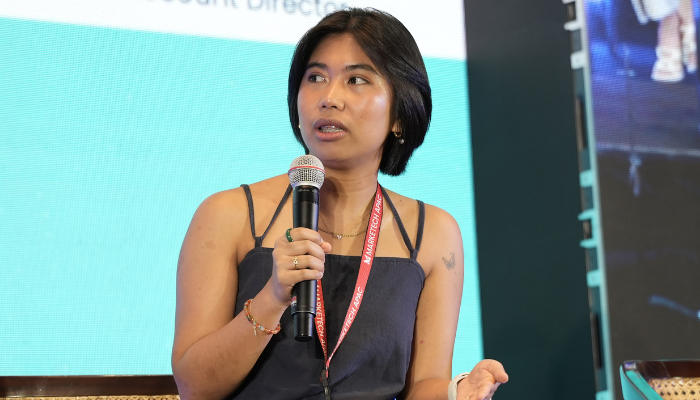
Speaking more on the back-end side of things, Karl shares that part of creating the ‘surprise and delight’ for customer experience is combating fraud by bad actors online. For him, these tactics–from synthetic fraud, promo abuse, and fake account creation–should be prevented to protect brand integrity in the long run.
“When you think you catch up, they’re ahead. Every person here wants to protect their brand. Every person here wants to protect their customers. You don’t want to onboard bad actors because you don’t know what they’re going to do when they’re onboard,” he said.
An example of this is with Highlands Coffee in Vietnam, where they did an online promo, where if a customer signed up for a new account, they got US$1 off their purchase. Following this, a fraudster wrote a script which created a bot and basically took US$50,000 worth of vouchers from Highlands Coffee overnight. The next day, fraudsters were selling those online digital vouchers on the messaging platform Zalo for US$0.50.
“At the end of the day, you need to protect the brand, you need to protect the customer. Because if you don’t, you’re going to lose that customer,” he added.
The mindset Filipino brands must have for effective CX
Donna shared that the mindset for brands should change from merely responding to customers to actively knowing that the customers are their responsibility, especially at every interaction or in the long run.
“We have a responsibility to our customers for them to experience care in every interaction…What we want for our customers is to feel trust or for us to deliver trust that they can feel,” she says.
Meanwhile, Janelle shares that brands should be more honest and authentic and stop chasing virality always.
“More than the campaigns, more than the products that we sell, we really need to give value to the experience that we give to our customers from the very first pre-touch point with us, all the way to the aftercare. It’s what we need–to be authentic and transparent to them,” she says.
With the new generation of customers, Janelle says that they can see through the brand’s objective–and easily make comparisons online.
“We have to stop chasing virality engagement, and we have to go for authentic experiences that are real and that resonate with our customers,” she added.
As for Rosebel, she notes that for every revenue-centric decision being made by brands, know that customers will also feel it–and that brands need to be more mindful.
“I think for me, it’s the mindset shift that every revenue decision is a customer decision. Your products and your prices can be matched by a competitor. For the mobility or car rental industry, as long as I have a car and I can share it with others, that’s technically a car rental in a sense. So anyone can match that. But the emotional consistency with every customer touch point is very important, regardless if you’re a foreigner, you’re a Filipino, you’re booking digitally, or you’re booking walk-in to our renters–I think that’s very, very important,” she explains.
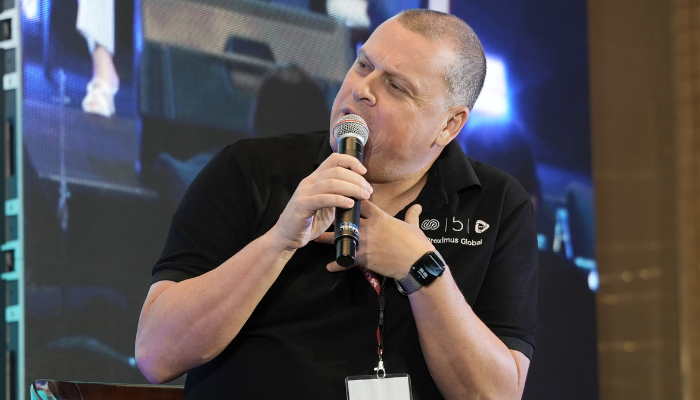
Lastly, Karl says that brands should balance the right customer experience to balance with existing customer behaviour.
“Obviously, we like to think customers are loyal, but we also know customers are very fickle…If you can’t provide the right customer experience, you’ll lose the customer. It’s about change, but doing the right change,” he concluded.
****
While speed and reliability remain essential, brands that stand out are those that go a step further, adding thoughtful touches that make customers feel valued rather than simply served.
In an increasingly competitive landscape, the industry leaders underscored that the future of customer experience in the Philippines will belong to organisations that can seamlessly blend efficiency with empathy—turning everyday interactions into moments that customers remember and return for.
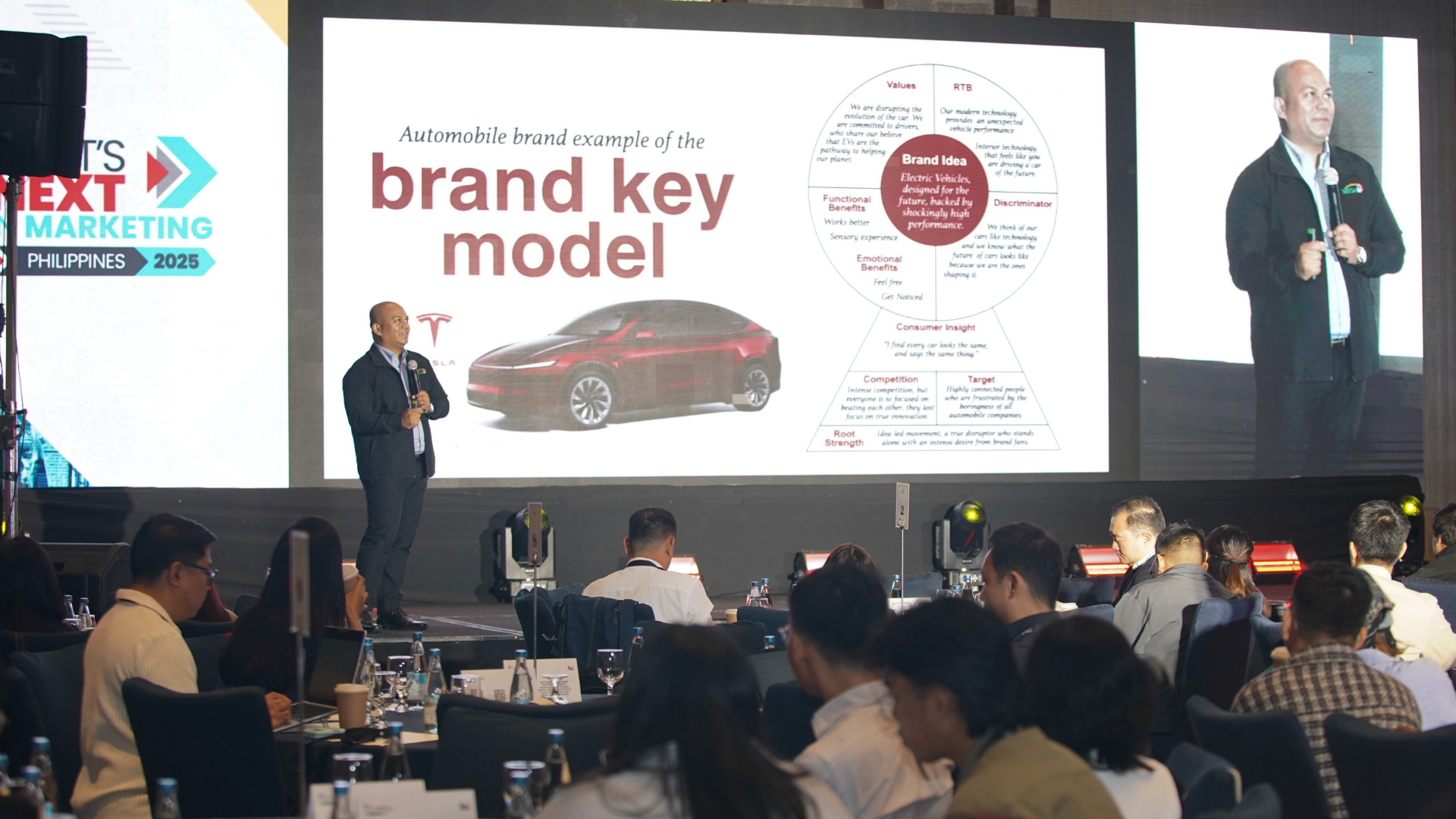
The “What’s NEXT in Marketing” conference series brings together industry leaders and practitioners to explore emerging trends, evolving consumer behaviours, and forward-looking strategies set to influence the region’s marketing landscape.
With local editions happening soon across Singapore, Indonesia, Thailand, Malaysia, and Hong Kong, the series will continue to explore what lies ahead for the future of marketing across Asia-Pacific this 2026 and beyond.






![[Tech] Globe Business x Gemini](https://marketech-apac.com/wp-content/uploads/2026/06/Tech-Globe-Business-x-Gemini.jpg)