
Singapore – OpenAI has introduced a new shopping research feature in ChatGPT, designed to help users identify suitable products through guided, conversation-based recommendations. The tool, which compiles personalised buyer’s guides based on user queries and preferences, is now rolling out on mobile and web for logged-in users across the Free, Go, Plus, and Pro plans. The company said it is offering nearly unlimited usage across all tiers during the holiday period.
According to OpenAI, hundreds of millions of users already turn to ChatGPT to understand and compare products. The new feature is meant to support more complex decision-making by asking clarifying questions, referencing information from quality online sources, and surfacing options for users to refine.
The feature is optimised for categories that require detailed comparison, such as electronics, beauty, home and garden, kitchen appliances, and sports and outdoor gear. For simpler questions—such as finding a price or checking a feature—the standard ChatGPT response remains available.
Shopping research is also being integrated into ChatGPT Pulse, which is currently offered to Pro users. When appropriate, Pulse can proactively suggest buyer’s guides informed by a user’s past interactions. For example, the company said that users who have been discussing e-bikes could be shown recommendations for accessories in the future.
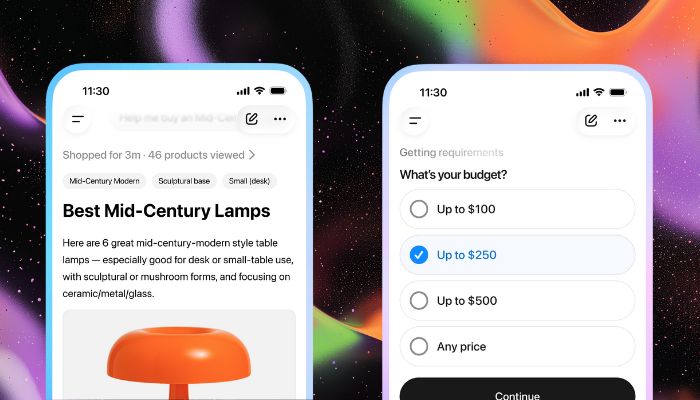
To use shopping research, users can ask a product-related question, after which ChatGPT may prompt them to begin the guided experience. They can also manually select the feature from the menu. Once launched, it opens a visual interface where users can describe what they need and respond to clarifying questions about their budget, intended recipient, or desired features. When memory is enabled, ChatGPT can further tailor results—such as factoring in hobbies like gaming when recommending a laptop.
The system pulls information from the internet—including prices, availability, reviews, specifications, and images—and presents product options as it gathers data. Users can influence the recommendations by marking products as “Not interested” or “More like this” to help refine the results.
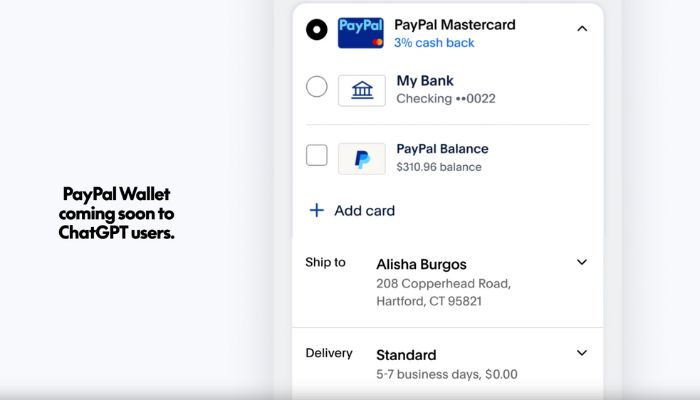
Within minutes, the tool produces a personalised buyer’s guide summarising top products, key differences, tradeoffs, and current details sourced from retailers. Users can click through to merchant sites to make purchases. OpenAI said that in the future, purchases will be possible directly through ChatGPT for merchants who participate in Instant Checkout.
OpenAI stated that the feature is powered by a version of GPT-5 mini trained with reinforcement learning for shopping tasks. The model is designed to read trusted sites, cite reliable sources, and synthesise information across multiple references while updating recommendations in real time based on user feedback.
The company emphasised transparency in how results are generated. It said user chats are not shared with retailers and that recommendations are based on publicly available retail information. Merchants interested in ensuring their products appear can follow OpenAI’s allowlisting process.
OpenAI also noted that the feature has limitations. While internal evaluations show improved accuracy in citing product details, the system may still provide incorrect information on elements such as price or availability. The company advises users to verify details directly on merchant websites.
It is worth noting that OpenAI recently introduced ‘Instant Checkout’, a new feature that allowed users to purchase products directly through ChatGPT. The rollout began with Etsy sellers in the United States, with over a million Shopify merchants, including brands such as Glossier, SKIMS, Spanx, and Vuori, expected to follow soon.