
Movie marketing has evolved well beyond the traditional trailer-to-ticket advertising. Today, brands aren’t simply promoting films—they’re becoming part of the stories themselves.
Whether through retail activations, themed dining experiences or immersive travel campaigns, entertainment intellectual property (IP) has become a powerful way for marketers to engage consumers long before they step into a cinema.
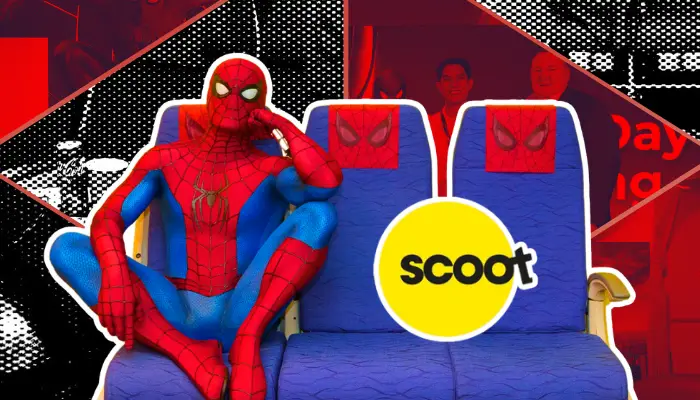
For Scoot, its collaboration with Spider-Man: Brand New Day reflects this shift. As the only airline in the Asia-Pacific region partnering with the film, the campaign transforms multiple touchpoints across the passenger journey into extensions of the Spider-Man universe.
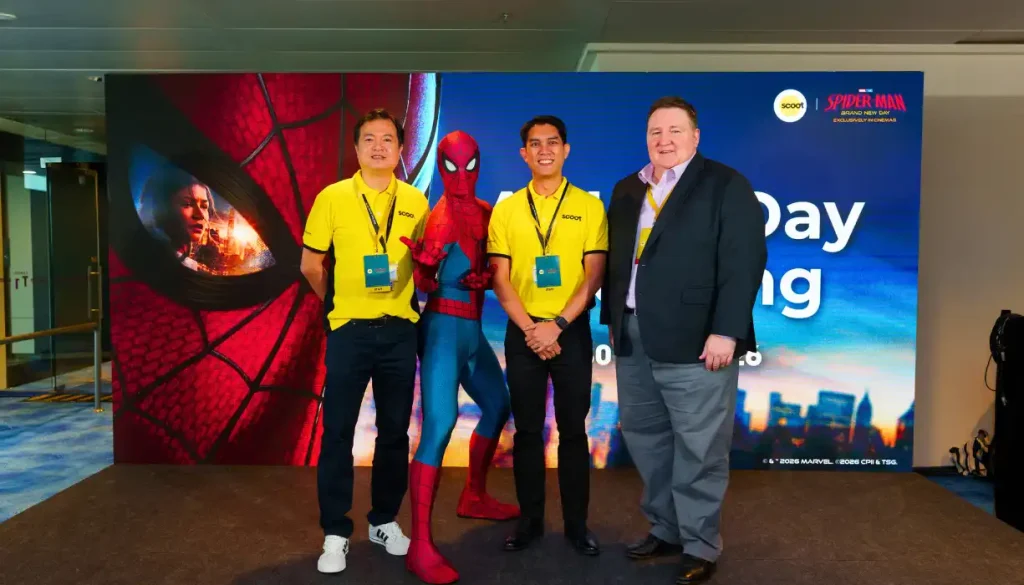
Speaking to MARKETECH APAC, Calvin Chan, Chief Commercial Officer at Scoot, shared why meaningful brand collaborations go beyond visibility—and why the future of movie marketing lies in creating experiences consumers can actively take part in.
Why movie marketing needs more than trailers
For Chan, branded partnerships have become an increasingly important part of a film’s launch because they allow stories to move beyond conventional advertising and into consumers’ daily lives.
Rather than limiting engagement to cinemas or digital campaigns, collaborations give audiences new ways to experience a film through brands they already interact with.
“Branded collaborations have become an increasingly engaging way to extend a film’s storytelling beyond traditional marketing channels and into customers’ everyday experiences,” he said.
Scoot’s Spider-Man campaign illustrates this approach by integrating elements of the film across the travel journey—from the booking experience and airport environment to the cabin itself.
For Chan, innovative marketing isn’t simply about creating visibility; it’s about giving customers another way to connect with the story while simultaneously elevating the travel experience.
Authenticity begins with a shared story
As entertainment partnerships become increasingly common, marketers face a growing challenge: making collaborations feel authentic rather than purely promotional.
Chan believes authenticity starts with finding common ground between both brands.
In Scoot’s case, that connection wasn’t Spider-Man’s popularity—it was the film’s underlying narrative.
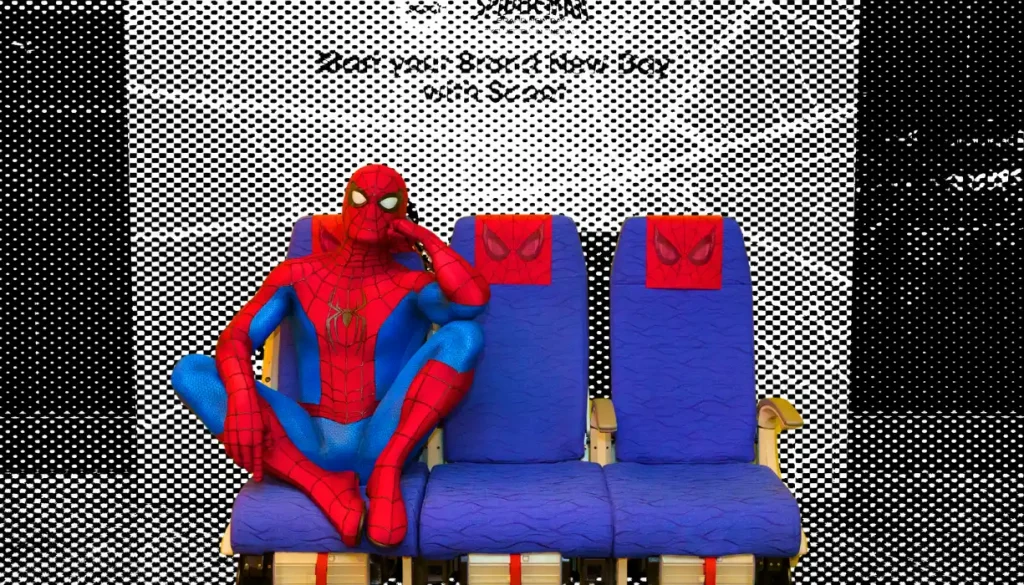
Peter Parker’s journey of self-discovery, growth and embracing new possibilities closely reflects what travel means to many people.
“At Scoot, we believe that each journey is not just about the destination but about choosing who you want to become along the way,” Chan explained.
That shared philosophy allowed the collaboration to feel like a natural extension of Scoot’s brand, reinforcing its belief in adventure, discovery and personal transformation rather than simply leveraging a well-known entertainment franchise.
What airlines offer that other brands can’t
While entertainment collaborations span industries—from quick-service restaurants to retailers—Chan believes airlines bring a distinctive advantage.
Unlike brands that interact with consumers at a single point in time, airlines accompany customers throughout an entire journey.
For Scoot, that means the Spider-Man experience begins even before passengers arrive at the airport.
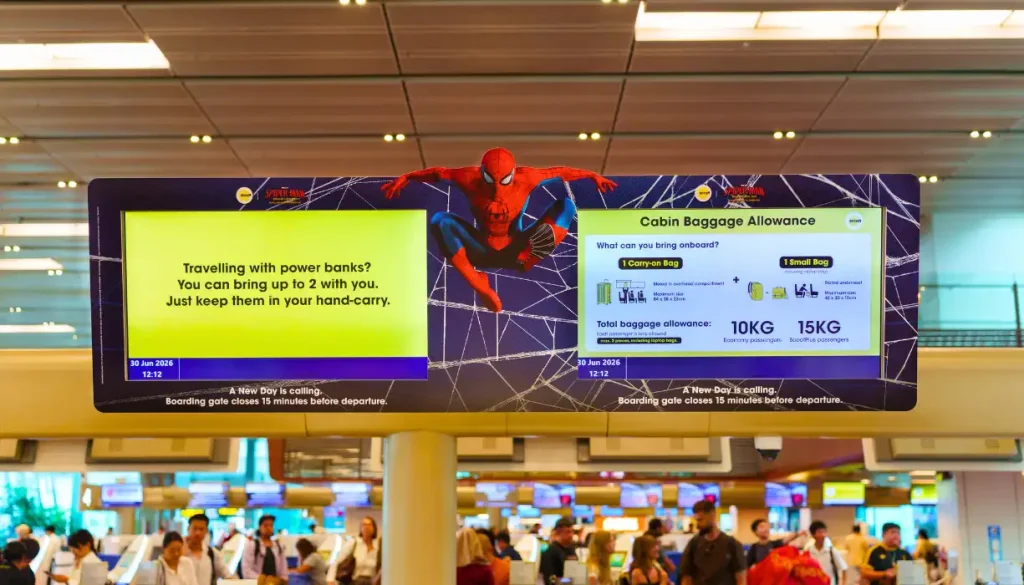
Customers can identify themed flights while booking through the airline’s website, mobile app and WeChat Mini Programme before encountering Spider-Man-themed installations at Singapore Changi Airport.
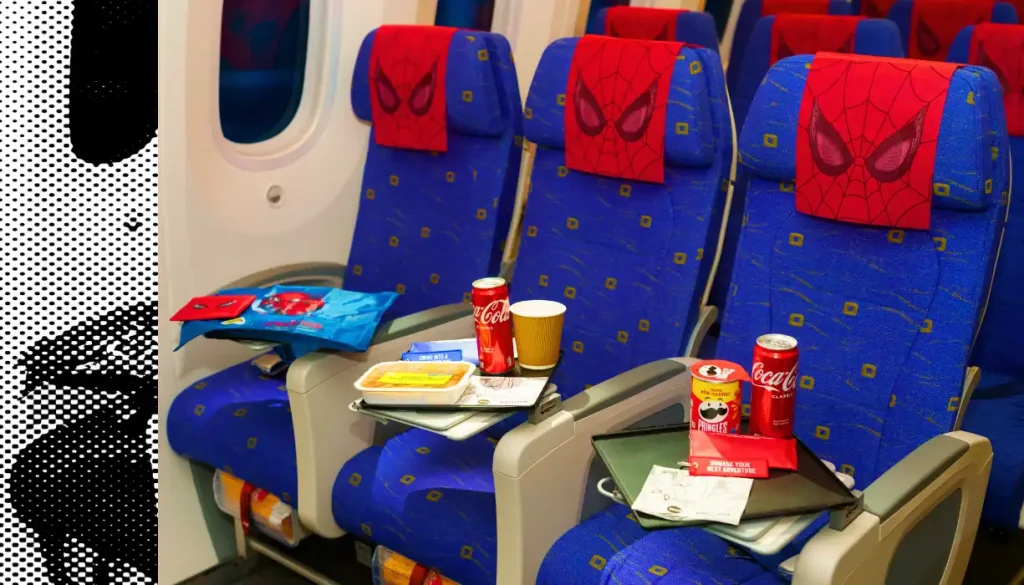
The experience continues onboard through specially designed cabin interiors, exclusive headrest covers, themed audio, inflight activities and exclusive merchandise.
According to Chan, these multiple touchpoints allow the airline to build a continuous narrative instead of a one-off activation.
“These immersive elements create an end-to-end journey that brings the Spider-Man: Brand New Day movie to life while delivering the unique travel experience that customers can look forward to on their journey with Scoot.”
Success isn’t measured by buzz alone
While media attention and social conversations remain valuable outcomes, Chan says Scoot looks beyond awareness when evaluating the campaign’s performance.
The airline tracks demand for themed flights, conversions from digital advertising and EDM campaigns, as well as customer sentiment across online conversations.
These metrics help Scoot understand whether the collaboration is driving meaningful engagement throughout the customer journey—not simply generating short-term publicity.
Ultimately, Chan says the campaign’s success lies in whether it creates lasting memories for customers.
“It is important that our collaboration with Spider-Man: Brand New Day creates meaningful and memorable experiences for our customers, strengthening their affinity with our brand and deepening engagement with not only Scoot, but also the movie.”
The next chapter for entertainment partnerships
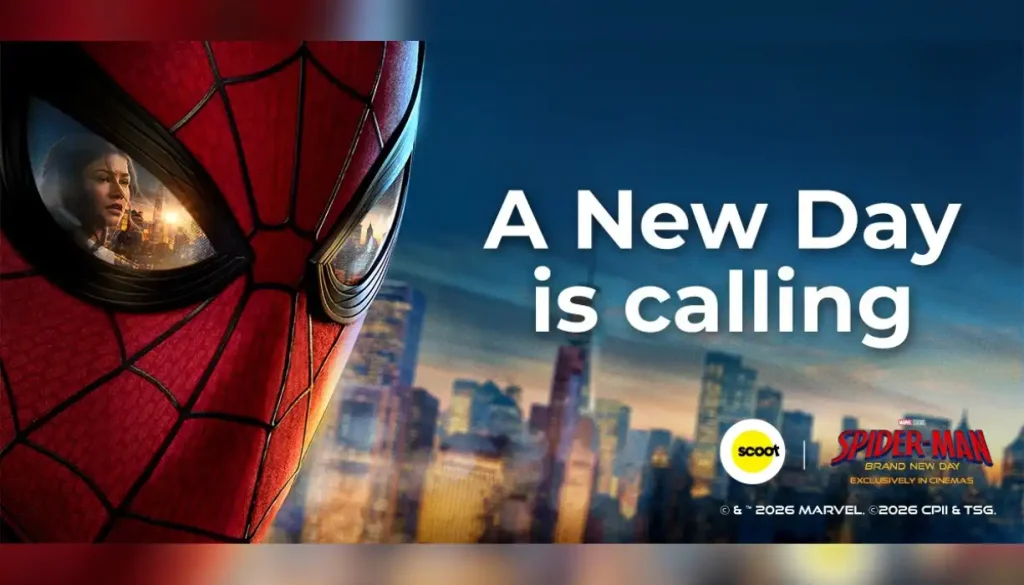
Scoot’s Spider-Man collaboration builds on the airline’s ongoing partnership with The Pokémon Company, which began in 2022 with the launch of the Pikachu Jet.
Rather than signalling a one-off campaign, Chan says it reflects Scoot’s continued openness to entertainment partnerships that align with the airline’s brand and create memorable travel experiences.
As entertainment IP becomes an increasingly valuable marketing platform, Chan believes the brands that stand out will be those that move beyond promotional collaborations and focus instead on creating experiences customers genuinely want to be part of.
For marketers, the lesson is clear: the most effective movie partnerships aren’t just about putting a brand alongside a blockbuster—they’re about finding a shared story and bringing it to life in ways audiences can experience for themselves.

![[Campaign] SCOOT x Spiderman](https://marketech-apac.com/wp-content/uploads/2026/06/Campaign-SCOOT-x-Spiderman.jpg)