
Building brand awareness has long been one of marketing’s biggest priorities, but in today’s attention economy, awareness alone is becoming increasingly difficult to sustain. With consumers constantly scrolling through endless streams of content, the challenge is no longer getting noticed at once, but becoming familiar enough to stay top of mind.
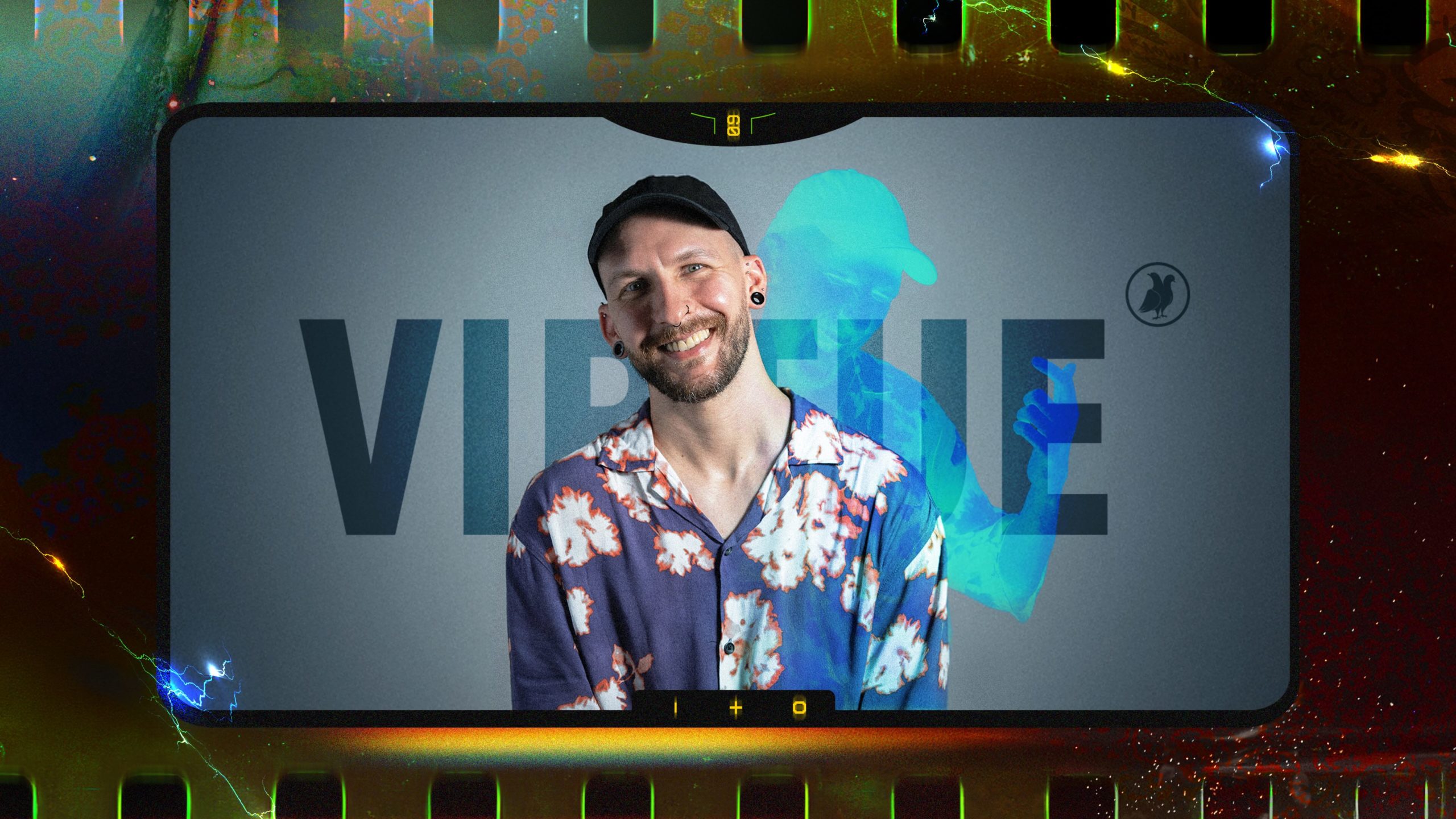
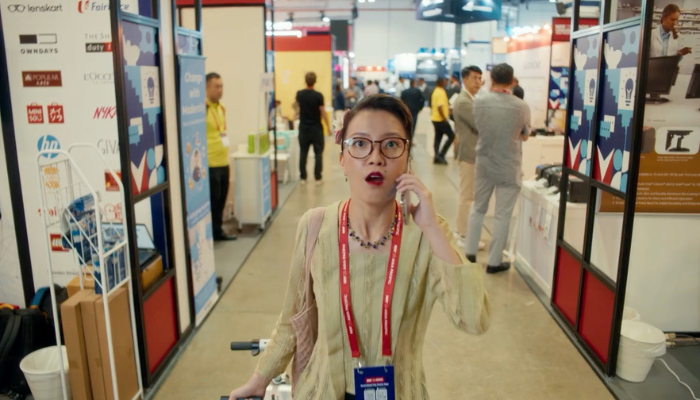
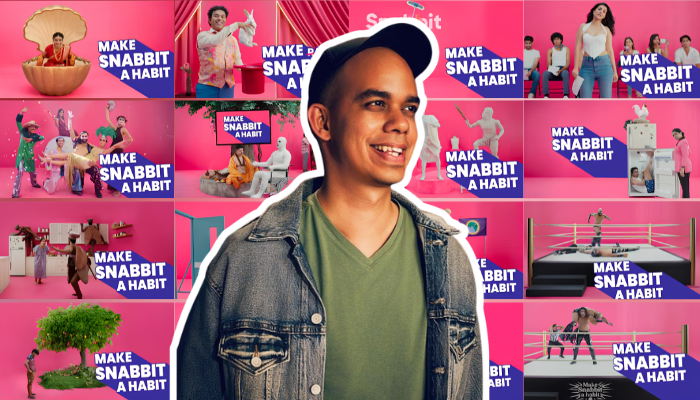
That simple observation became the starting point for Hayden Scott, Creative Head APAC at VIRTUE Asia, when developing Snabbit’s latest “Make Snabbit a Habit” campaign, which, rather than asking consumers to pay attention to another brand film, was designed to exist across different corners of the internet in ways that felt native to each platform.
In this exclusive MARKETECH APAC feature, Scott explains why brands should build creative systems instead of isolated campaigns, how internet culture can strengthen brand recall, and why creating habits may become more valuable than simply creating awareness.
Building familiarity via creative ecosystems
For Scott, the campaign was never about simply explaining what Snabbit offers. Instead, the objective was to ensure the phrase ‘Make Snabbit a Habit,’ “impossible to ignore.”
Scott and his team also questioned whether consumers would willingly spend time watching advertisements for home services.
“We didn’t think so,” he said. “People don’t go online hoping to watch ads for home services. What they do consume, however, is an endless stream of short, strange, entertaining content. Memes, absurd videos, niche internet humour. That is the language people spend hours with every day.”
Through Scott’s creative leadership, Virtue Asia built an ecosystem of short-form content designed to live naturally across different digital spaces, allowing “Make Snabbit a Habit” to feel less like a traditional advertising campaign and more like “a piece of internet culture that people kept bumping into until it became familiar.”
“Instead of interrupting that behaviour, we decided to participate in it,” adds Scott.
Why memes and the internet culture matter
Scott believes memes are often misunderstood by marketers because they are treated as a content format instead of a cultural behaviour.
“Memes aren’t just a format. They’re how culture processes ideas today,” he says.
For Scott, this participatory nature makes memes especially valuable for younger brands looking to establish familiarity. Instead of asking audiences to remember an advertisement, brands can become part of the conversations people are already having online.
“The important thing is that brands shouldn’t try to “use memes.” They should understand why memes spread. They’re participatory, they’re timely, they’re usually built on a shared cultural understanding. If you get that right, the brand becomes part of the conversation rather than trying to interrupt it.”
Speaking the language of each platform
Beyond memes, Scott argues that effective creativity today depends on understanding the distinct behaviours of each platform.
“The pace, the humour, the editing style, even the way people hold the camera all become signals that tell audiences whether something belongs there or not,” he shares.
For Scott, successful digital creativity is less about disguising advertising as entertainment and more about genuinely understanding how people interact with content.
“If someone watches the whole thing because it genuinely entertained them, you’ve earned a few extra seconds of attention. If they see variations of the same idea, that’s where recall begins to build,” Scott shared.
Stop chasing trends
One of the biggest mistakes Scott sees brands making is confusing participation with imitation.
“A lot of brands think internet culture is about using the latest meme template or referencing whatever is trending that week. By the time they’ve done it, the internet has already moved on,” he says. “The second mistake is trying too hard to sound like the internet. People can tell when something feels manufactured.”
Instead of copying trends, Scott believes marketers should focus on understanding the behaviours behind them.
“The better approach is to understand the behaviour behind internet culture rather than copying its surface,” he explains. “Why are people sharing this? Why is it funny? Why does it feel native? Those questions are much more valuable than asking which meme is currently trending.”
From campaigns to creative systems
Looking ahead, Scott believes marketing will continue moving away from isolated campaigns towards continuous creative ecosystems.
“Brands today don’t need one big film every quarter. They need systems of creativity that can continuously participate in culture,” Scott continues. “Attention isn’t won once. It’s earned repeatedly.”
“The brands that will stand out are the ones that understand culture not as a media channel but as a creative medium. They won’t just react to conversations. They’ll create worlds, recurring characters, formats and behaviours that people come back to over time.”
“Ultimately, culture-led creativity isn’t about chasing relevance. It’s about creating enough distinctive memory structures that your brand feels familiar long before someone needs your product. For a brand like Snabbit, that’s exactly the job awareness should do.”
For marketers navigating today’s crowded digital landscape, the lesson is increasingly clear: memorable brands may no longer be those that shout the loudest, but those that create distinctive creative worlds people naturally encounter over time.
As Scott’s perspective suggests, building lasting brand recall is less about interrupting attention and more about creating ideas that naturally live within culture — earning familiarity long before consumers are ready to participate.