

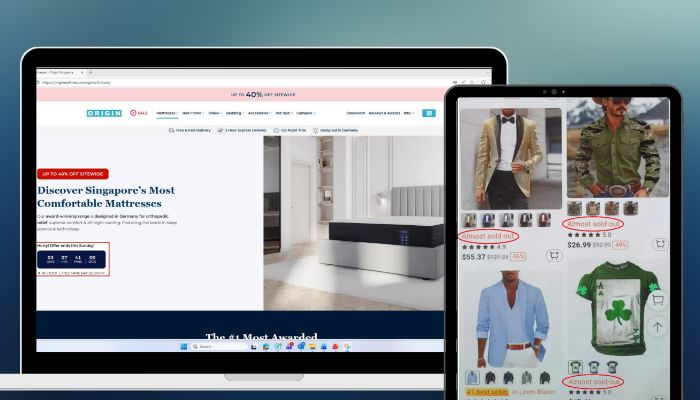
Singapore – The Competition and Consumer Commission of Singapore (CCS), the country’s competition and consumer protection regulator, has found three online retailers using misleading website features known as “dark patterns” to influence consumers’ purchasing decisions.
The online retailers, namely Seager Inc. (which operates Boarding Gate), Origin Sleep, and Light In The Box, were found displaying fake visitor counts, fabricated countdown timers, and false discount claims to create artificial urgency and demand around their products.
CCS said its investigation found that the website features were designed to pressure consumers into making faster purchasing decisions.
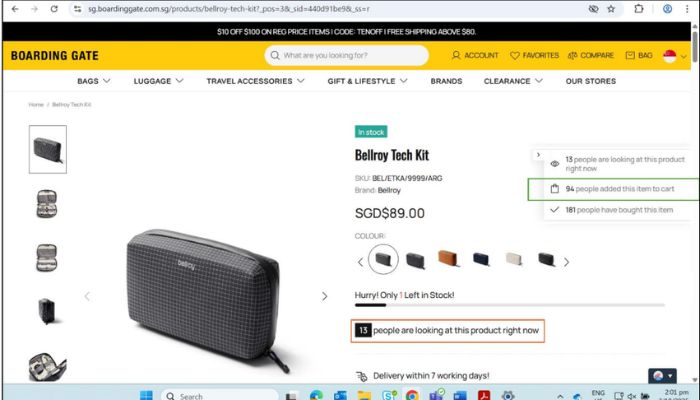
At Boarding Gate’s website, the message “XX people are looking at this product right now” gave shoppers the illusion of real-time visitor activity and high demand. However, when CCS examined the website’s source code, it discovered that these numbers were randomly generated. The site also claimed “XX people added this item to the cart” without any evidence to support these assertions.
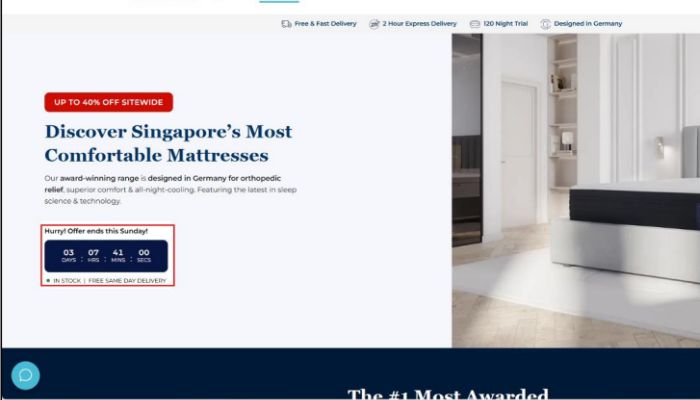
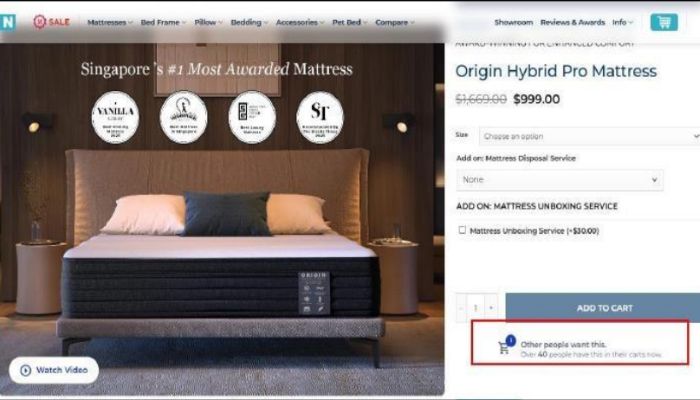
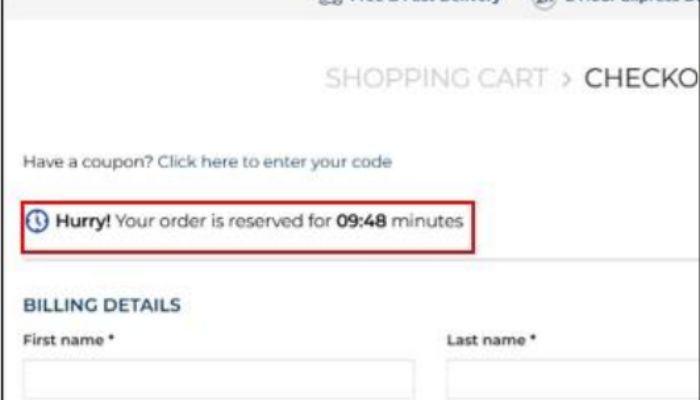
Origin Sleep’s website used similar tactics, including messages such as “Other people want this. XX people have this in their carts now” despite the absence of real-time data. Its checkout pages also featured countdown timers stating, “Hurry! Your order is reserved for xx:xx minutes,” suggesting limited-time availability. CCS said these messages and timers had no impact on product availability or customers’ ability to complete purchases.
The retailer also promoted what appeared to be time-limited discounts of “Up to 40% off,” but CCS found these offers ran continuously for nearly two years under different labels. A “Flash Sale” in January was followed by a “Valentine’s Day Sale” in February, then a “CNY Sale”, and later a “3.3 Mega Sale”, among others, with no clear end to the promotions.
Light In The Box was flagged after CCS was alerted by a European regulator, underscoring how such practices can span multiple jurisdictions. The retailer displayed “Almost sold out” notices on products to suggest scarcity, despite operating a made-to-order model with little to no inventory.
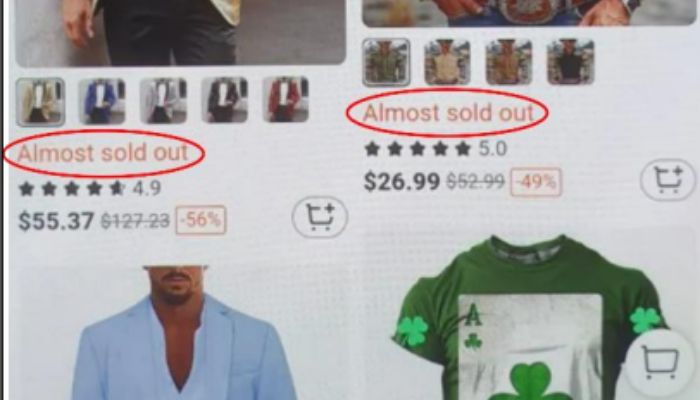
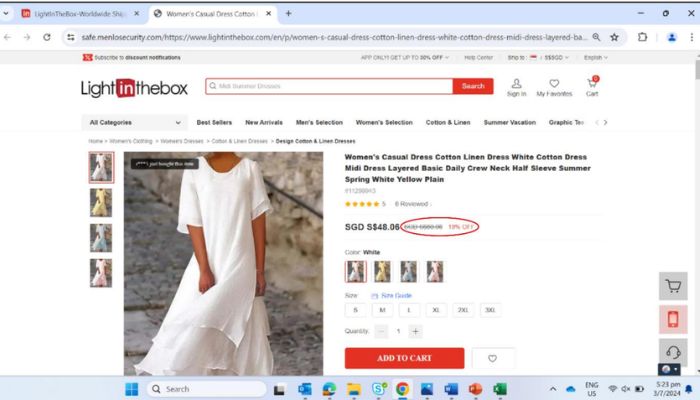
CCS said these scarcity labels were applied in a random manner for promotional effect. The company also displayed discounted prices against higher “original” prices that were never actually offered, creating misleading impressions of savings.
The regulator also noted that one retailer said its website design was based on a template purchased from an overseas vendor. CCS stressed that businesses remain responsible for compliance with consumer protection rules regardless of whether their websites are built in-house or using third-party templates.
All three companies have provided formal undertakings to CCS, stopped the practices, and committed to avoiding unfair trade conduct going forward. Light In The Box has also removed the relevant claims from its Singapore-facing and European-facing platforms.
Commenting on the findings, CCS Chief Executive Alvin Koh said, “Dark patterns are insidious as they are difficult to detect and erode consumer trust in the digital marketplace. CCS will continue taking firm action to protect consumer trust and honest businesses from those who choose to compete unfairly.”
The enforcement action highlights Singapore’s efforts to curb online practices that create false impressions of popularity, scarcity, and urgency. It also points to how such tactics can spread across markets through standardised website templates and multi-market platforms.
CCS urged consumers who encounter unfair trade practices to report them to the Consumers Association of Singapore at 6277 5100 or through its online complaints portal.