
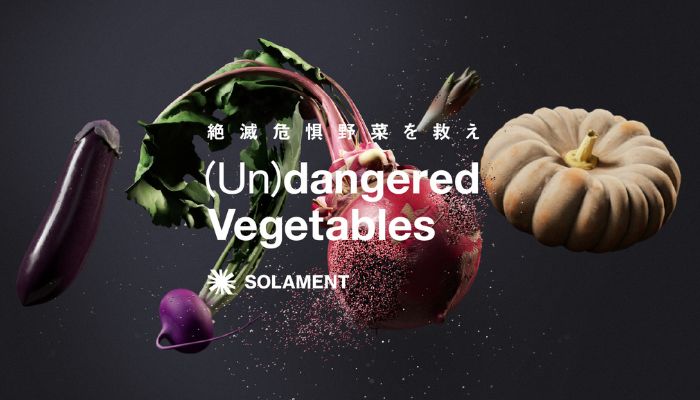
Japan – Droga5 Tokyo, part of Accenture Song, has teamed up with Sumitomo Metal Mining Co., Ltd. to launch an initiative that uses the company’s proprietary SOLAMENT™ technology to protect and sustain Japan’s traditional vegetables in the face of climate change.
Through this collaboration, Droga5 Tokyo developed the creative concept, brand platform, and storytelling for the newly announced “(Un)dangered Vegetables” initiative. The programme aims to preserve heirloom vegetables across Japan, including the Mikekado pumpkin, considered the country’s oldest pumpkin variety.
The initiative responds to a broader global concern: the UN estimates that around 75% of food crop diversity has been lost over the past century. In Japan, centuries-old vegetables that have shaped the nation’s culinary culture and been cultivated by generations of farmers are disappearing from fields. Droga5 Tokyo seeks to address this decline by classifying these crops as “Endangered Vegetables”.
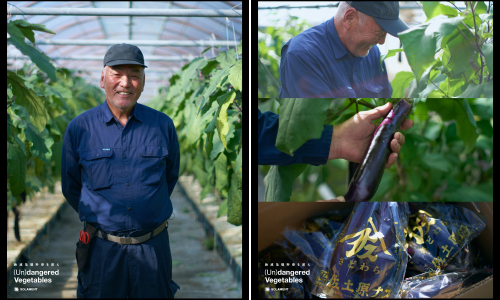
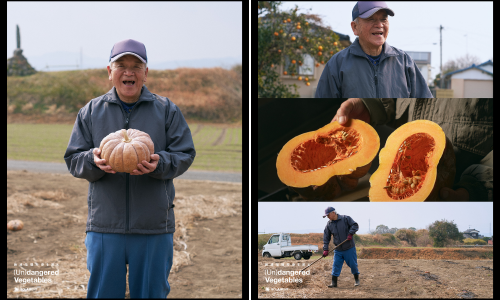
Central to the initiative is an innovative insight: the same advanced material used in cars and building windows to shield people from heat can also protect centuries-old vegetables from rising temperatures. This approach represents a new chapter for SOLAMENT™, extending its use beyond industrial applications into agriculture and cultural preservation.
The programme deploys agricultural shading nets made with SOLAMENT™, helping traditional crops survive increasingly extreme temperatures. Satellite data is also used to identify optimal growing conditions, enabling more farmers to cultivate these at-risk varieties.
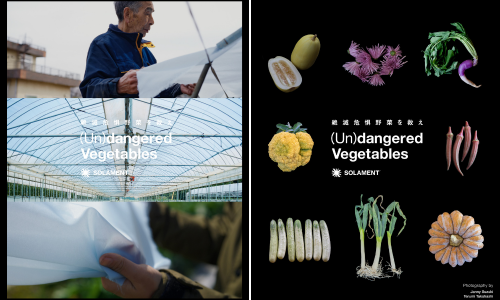
The initiative goes beyond cultivation. Sumitomo Metal Mining has developed educational programmes to highlight SOLAMENT™’s benefits for farms and endangered crops. Partnerships with agricultural high schools aim to engage the next generation, while the vegetables themselves have been presented to the public at a dedicated farmers’ market stand within a Tokyo contemporary art museum. The programme also delivers these heirloom vegetables directly to children in need, sharing the stories behind each variety.
Together, these efforts form a comprehensive ecosystem designed to preserve both Japan’s crops and its agricultural heritage. An English-language website will make the initiative and its storytelling accessible to global audiences for the first time.