
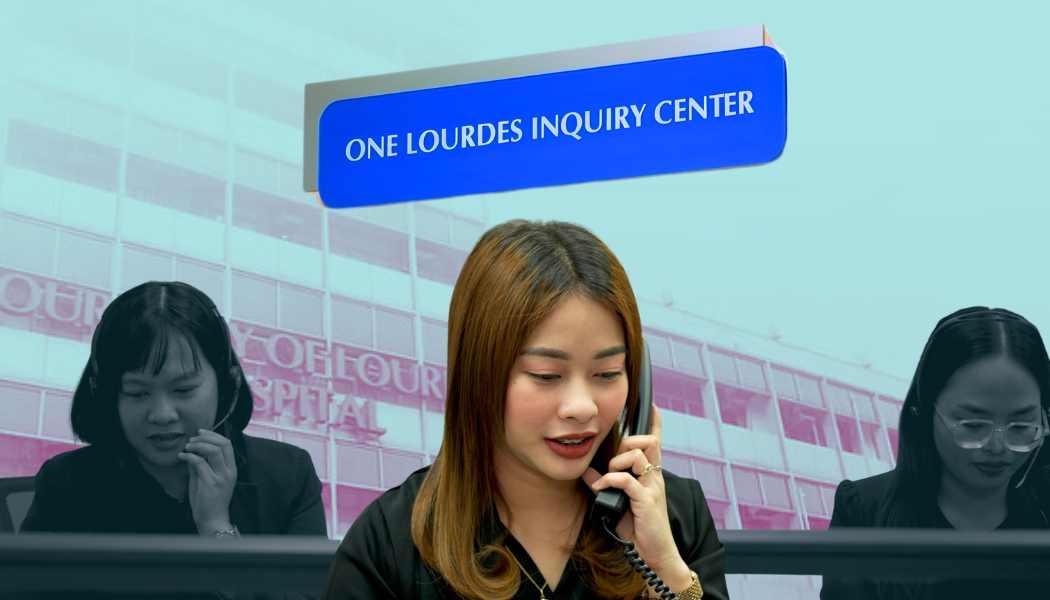
In a healthcare environment where patient frustration often arises from inefficient communication, Our Lady of Lourdes Hospital set out to centralise access, enhance patient navigation, and improve overall service delivery.
When the One Lourdes Inquiry Center launched in July 2024 in partnership with ePLDT, it stepped into a landscape characterised by fragmented communication lines, inconsistent triage, and multiple contact points.
Patients struggled to schedule appointments, clarify hospital services, and access the right specialists, resulting in delays in care and missed opportunities for engagement.
The Challenge
The hospital confronted a systemic communication problem that directly impacted patient experience and operational performance.
Patients often struggled to navigate multiple points of contact, and inquiries frequently went unresolved or required repeated follow-ups.
The average handling time (AHT) for inquiries was 18 minutes, leaving patients frustrated and delaying access to care.
Departments responded inconsistently to inquiries, with variable accuracy and timeliness.
Beyond operational inefficiencies, the fragmented system created a negative perception of the hospital’s responsiveness.
In an era where patients expect quick, clear, and empathetic engagement, Lourdes Hospital needed a solution that would not only unify communication channels but also foster trust and confidence.
Addressing these challenges was critical for improving patient experience, enhancing care coordination, optimising resource allocation, and reinforcing Lourdes Hospital’s brand as a patient-centred institution committed to quality care.
The Solution
The strategy focused on establishing a centralised, technology-enabled, patient-centred communication hub capable of handling high volumes of inquiries efficiently while maintaining a human touch.
The hospital collaborated with ePLDT to implement a robust call management system featuring real-time monitoring, automatic call logging, analytics, and reporting tools for quality assurance and operational oversight.
These capabilities allowed hospital leadership to track performance metrics, identify bottlenecks, and continuously refine service delivery.
Central to the solution was cross-departmental integration.
Clinical, IT, Marketing, Sales Operations, and Ancillary Services teams worked closely to standardise inquiry handling and develop referral pathways, ensuring patients were connected to the right services with minimal delay.
Dedicated patient service representatives received training in clinical communication standards, patient-centred care protocols, and escalation procedures, equipping them to respond empathetically to complex or sensitive inquiries.
By combining technology with human-centred service, Our Lady of Lourdes Hospital prioritised care coordination, accessibility, and a consistent patient experience across all touchpoints.
The Campaign
The initiative was rolled out in structured, strategic phases to maximise awareness, engagement, and conversion. During the first phase (July to August 2024), patients were introduced to the centralised hotline (8849-0000) through in-hospital signage, digital channels, and patient education materials.
Staff underwent intensive training in inquiry triage, care navigation, and communication protocols to ensure consistent service quality.
The second phase (September to November 2024) emphasised patient education and engagement. Teams provided real-time appointment scheduling, explained hospital services, and guided patients through referral pathways.
Data-driven insights and workflow analytics helped optimise staffing, reduce wait times, and ensure peak-hour coverage.
Patients were empowered to access information seamlessly, which reduced frustration and improved confidence in hospital processes.
In the final phase (December 2024 onward), focus shifted to conversion and retention. The Center facilitated outpatient and inpatient appointments, coordinated with ancillary departments for diagnostics, and monitored patient feedback for continuous improvement.
Real-time analytics enabled rapid identification of workflow inefficiencies and bottlenecks, and cross-functional collaboration allowed processes to be refined dynamically.
This structured approach not only optimised operational efficiency but also strengthened patient trust and loyalty.
The Results
The One Lourdes Inquiry Center delivered measurable improvements in patient experience, operational efficiency, and hospital performance.
Within a year, over 50% of inquiries were converted into outpatient and inpatient encounters, a significant rise from 15% pre-launch.
Average handling time decreased from 18 minutes to six, allowing staff to manage more inquiries while maintaining service quality.
Cross-department collaboration improved referral accuracy, patient navigation, and continuity of care, boosting hospital census and service utilisation by 427% compared to the previous year.
Patients praised the “one-stop shop” model for accessibility, clarity, and convenience, reflecting high levels of satisfaction and trust.
The integration of technology, standardised workflows, and patient-centred service enabled Lourdes Hospital to transition from a reactive, fragmented inquiry system to a proactive, coordinated patient engagement platform.
This initiative not only enhanced operational performance and revenue but also strengthened the hospital’s Alagang Lourdes: May Puso, Tapat, at Abot-Kaya brand promise, setting a new benchmark for patient communication and care navigation in the Philippine healthcare sector.