
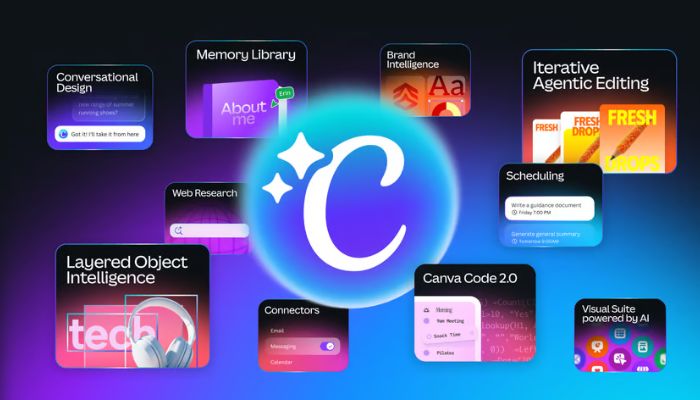
United States – Canva has announced the launch of Canva AI 2.0, a new iteration of its platform that introduces a more integrated, AI-driven approach to content creation. The update marks what the company describes as its most significant product development since its founding in 2013, and is currently available as a research preview.
According to Canva, the new system is powered by its proprietary Canva Design Model, which is designed to interpret design structure and generate fully editable outputs from a single prompt. The company stated that this enables users to move from an initial idea to completed creative work within a single platform.
“Our mission at Canva has always been to empower the world to design. When we started out a decade ago, that meant bringing complex and fragmented software into one simple, easy-to-use platform where anyone could bring their ideas to life. Today, we’re incredibly proud to be empowering more than a quarter of a billion people every month, and now, we’re stepping into our next era,” the announcement read.
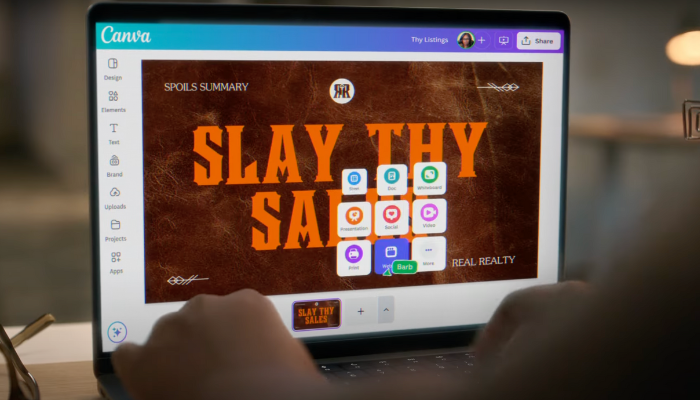
What is considered a central feature of Canva AI 2.0 is its conversational interface, which allows users to begin projects by describing ideas, briefs, or goals rather than selecting templates. The platform then generates structured, editable designs that can be refined through ongoing interaction.
The system also introduces what Canva refers to as “agentic” capabilities, allowing the AI to coordinate multiple tools within the platform to complete more complex creative tasks, such as building campaign assets or presentations across formats.
Canva AI 2.0 is built around four primary capabilities:
- Conversational design: Users can generate and refine designs through natural language prompts, with the system maintaining context throughout the process.
- Agentic orchestration: The AI selects and applies relevant tools to produce complete outputs based on user intent.
- Layered object intelligence: All generated elements remain individually editable, allowing targeted adjustments without affecting the entire design.
- Memory Library: A persistent system that learns user preferences and applies brand styles automatically over time.
The release also introduces six new workflows designed to extend the platform’s functionality across different stages of content creation:
- Connectors: Integration with external tools such as Slack, Gmail, Google Drive, Notion, Zoom, and HubSpot. These allow Canva AI to generate outputs based on existing communications and data, such as turning meeting transcripts into summaries or emails into marketing materials.
- Scheduling: Automation of recurring tasks, including generating regular content batches or preparing daily briefings, which run in the background without manual input.
- Web research: The ability to gather and structure information from online sources directly into design projects, supporting use cases such as market research or proposal development.
- Brand Intelligence: Automatic application of brand assets, including fonts, colours, and styles, as well as the ability to update existing designs to align with new brand guidelines.
- Canva Code 2.0: A feature that enables users to create interactive digital experiences from text prompts, including support for HTML imports and publishing across devices.
- Sheets AI: A tool that generates structured spreadsheets, such as budgets, timelines, or content calendars, populated with relevant data and formatted for immediate use.
Moreover, the new features position Canva AI 2.0 as a platform that supports a range of professional workflows, including marketing campaign development, internal communications, data organisation, and interactive content creation. By integrating design, automation, and data handling, the update aims to reduce reliance on multiple tools and streamline production processes within teams.
Canva said the system improves with continued use, as its memory functions adapt to user behaviour and organisational branding requirements.
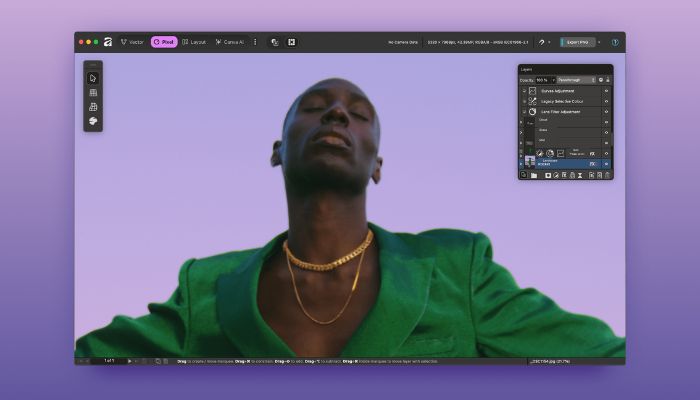
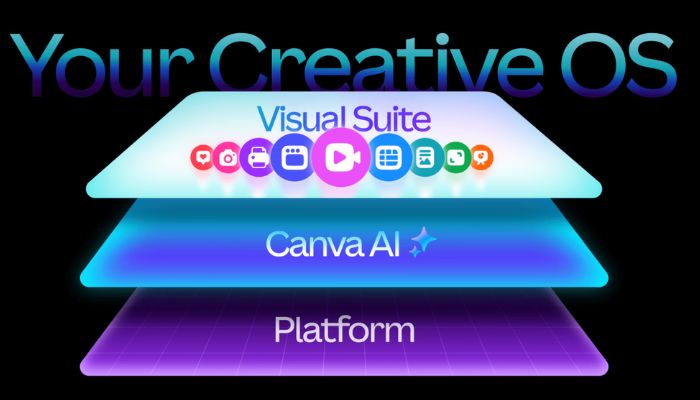
More recently, Canva acquired MangoAI and Cavalry to expand its AI capabilities for marketing and creative platforms. Last November, the company also announced the launch of its ‘Creative Operating System’ that united all AI management tools, as well as the unveiling of free use of ‘Affinity’.