

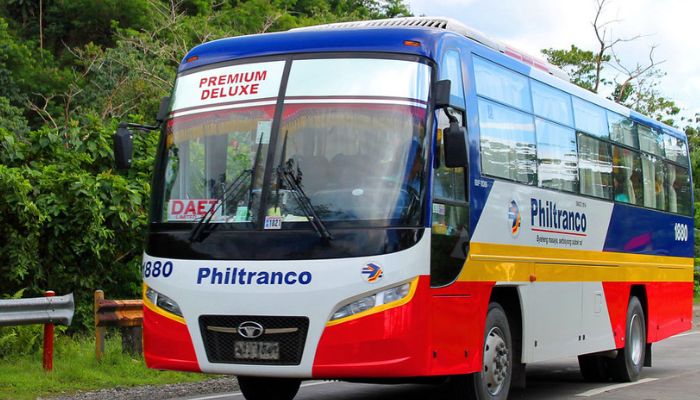
Manila, Philippines – Philtranco, one of the oldest bus companies in the Philippines, is set to shut down its operations after 112 years in business.
In an internal memo by Michael Sabban, president and CEO of Philtranco sent to employees on February 2, he stated that ‘serious business losses’ led to the company to shut down its operations–effective by March 30 this year.
“For years, we have fought an uphill battle to keep our wheels turning. However, due to serious business losses we can no longer sustain our business operations,” he said.
He also noted that this decision was the company’s ‘last resort’ after exhausting every other alternative.
“Due to the severity of these losses, the company is no longer in a position to sustain payroll. We are painfully aware of the impact this has on you and your families. This decision was our absolute last resort, made only after every other alternative was exhausted,” he added.
In the memo, Michael also acknowledged the company’s long-lasting legacy, stating, “Philtranco is more than a bus line; it is a century-long legacy built on your sweat and dedication.”
He also thanked the drivers, conductors, maintenance and office staff of Philtranco for their service in the company, recognising their hard work during their time at the company.
“Your professionalism in the face of these hardships has been nothing short of inspiring. We are deeply grateful for the years you gave to this journey. We wish you and your loved ones strength and the very best as you push the path ahead,” he concluded in the memo.
Philtranco, first established in 1914, became known for its long-haul routes connecting Luzon, Visayas, and Mindanao, making it one of the few bus operators to offer near-nationwide coverage through integrated land and sea travel, including roll-on/roll-off (RoRo) connections.
Previously, its subsidiary bus line Amihan Bus Lines temporarily stopped service along with Philtranco in 2025 due to financial difficulties and later resumed for a time, but it was affected by the broader operational troubles of its parent company.











![[Partnership] Sanrio IP](https://marketech-apac.com/wp-content/uploads/2026/07/Partnership-Sanrio-IP.webp)