
Global – Social networking site Friendster announces its return after more than a decade since its original platform went offline, with a renewed focus on facilitating real-world interactions rather than digital-only engagement.
The website friendster.com, first registered on 22 March 2002, ceased operations in 2015, with the company formally shutting down in 2018. The domain remained inactive for several years before being acquired by entrepreneur Mike Carson in a private transaction after it appeared in an expired domain auction.
In a Medium post, Carson disclosed that the domain had been purchased by another buyer for US$7,456 and was later sold to him through a deal involving US$20,000 in Bitcoin and an additional domain generating advertising revenue. Carson subsequently secured the trademarks for Friendster on 13 May 2025, following a legal process.
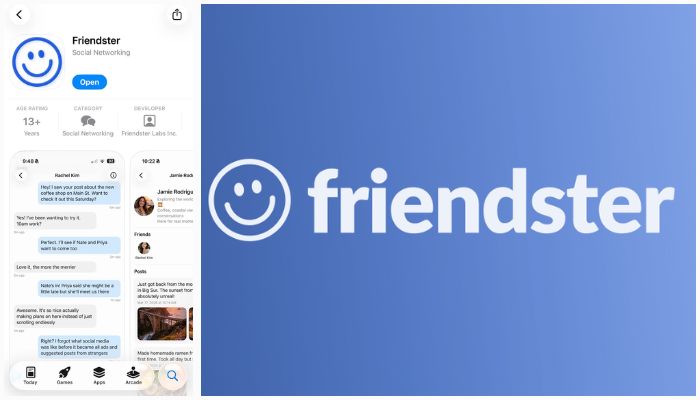
In April 2026, the platform was relaunched under Friendster Labs Inc. with a revised concept aimed at addressing concerns around algorithm-driven social media environments.
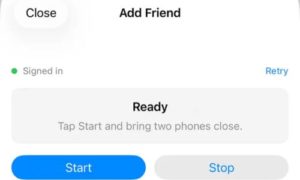
The new iteration of Friendster introduces several features designed to prioritise offline interaction. Users must physically tap their phones together in order to add one another as friends on the iOS app, a mechanism intended to ensure connections are formed between individuals who have met in person.
The platform also incorporates a “relationship decay” feature, where digital connections weaken over time if users do not interact in real life. Additionally, the service currently operates without advertising or recommendation algorithms.
Carson said the redesign was influenced in part by feedback from online communities, including a suggestion that requiring in-person interaction could encourage more meaningful connections. He subsequently developed the mobile app to reflect this idea.
The app is now available on the Apple App Store following a review period of between one and two months.
Future features under consideration include allowing users to view friends-of-friends and request to message them, as well as further development of the “fading connections” concept. Carson indicated that while monetisation is not an immediate priority, a paid tier for premium features may be introduced at a later stage.
The relaunch reflects a broader attempt to reimagine social networking by encouraging offline engagement, positioning Friendster as an alternative to established platforms centred on algorithmic content distribution.