
Manila, Philippines — For many Filipino consumers who actively shape their own health and lifestyle choices, taking care of oneself is increasingly viewed not merely as a way to live longer or appear better, but as a means to cope with daily pressures and uncertainty.
This insight emerges from the latest Havas Ortega Prosumer Report, ‘Health is Wealth: In an Age of Permacrisis’, which examines changing attitudes towards health among Filipino “prosumers”, consumers who actively influence trends through their choices and behaviours.
The report portrays a population navigating long workdays, rising costs, and ongoing uncertainty, where maintaining health has become a critical factor for sustaining personal and professional life.
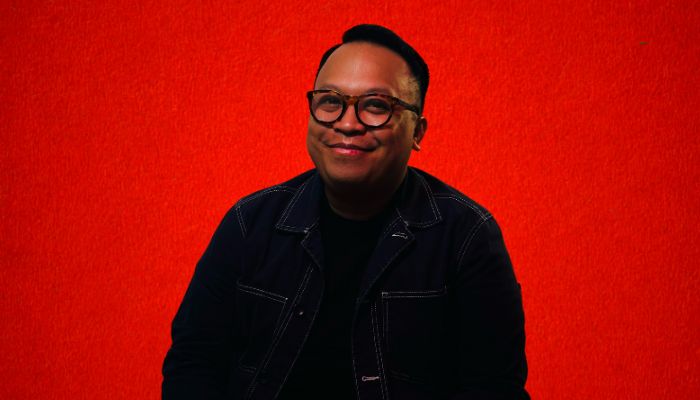
“Health today is no longer just about being well—it’s about being able to keep going,” said Jos Ortega, chairman and CEO of Havas Ortega. “For many Filipinos, taking care of themselves is their way of creating some sense of control in a world that often feels unpredictable. It’s deeply human—and it’s something brands, institutions, and communities need to understand more meaningfully.”
To support this, the report highlights how Filipinos showed a strong desire to stay active: 91% say exercising to stay fit is important, 86% consider fitness part of their daily routine, and 85% exercise at least once a week. Yet, practical constraints persist: 67% cite a lack of time, 84% wish they could exercise more, and 55% admit they are not taking care of their health as much as they should.
This gap between intention and action suggests opportunities for brands and workplaces to create products, services, and programmes that make health routines more accessible and manageable.
Moreover, rather than adhering strictly to one approach, Filipino consumers combine conventional and alternative health practices. According to the report, 81% ensure their families are vaccinated, 80% trust vaccines, yet 71% also value building natural immunity.
“This reflects a practical, adaptive approach to health,” the report notes, highlighting how consumers integrate knowledge from various sources to fit their lifestyles—a mindset that marketers can engage with through tailored, informative campaigns.
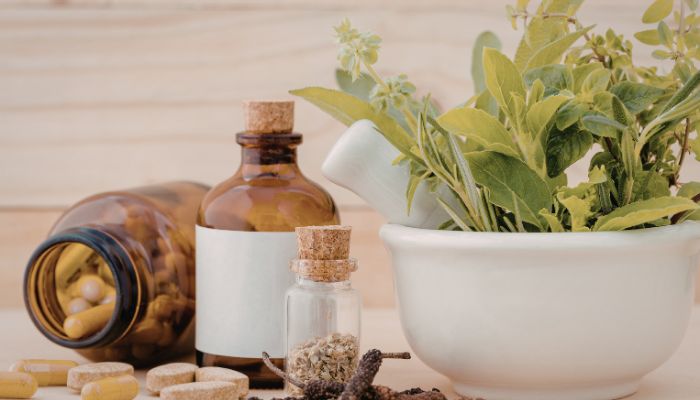
Supplements are also increasingly part of daily routines: 86% believe probiotics support immunity, 66% consider supplements a way to compensate for an unhealthy diet, and 57% feel they can take as many as they want.
Such behaviours indicate that health-related purchases are not purely functional—they also provide reassurance and a sense of control in an uncertain world. Brands that acknowledge this dual role of health products may better connect with their audience.
While 89% of respondents recognise the importance of talking about mental health, and 86% try to care for themselves emotionally, many continue to work long hours and push through exhaustion. Stress affects 81% physically, demonstrating that wellbeing initiatives—both in workplaces and through consumer products—remain highly relevant.
Moreover, the report also finds that physical appearance is tied to perceived health: 89% value looking young, 80% use beauty products to feel better, and 79% are actively trying to lose weight. For marketers, this underscores the interplay between health, wellness, and beauty sectors, where products are increasingly seen as tools for personal reassurance as well as external presentation.
Looking at the bigger picture, these findings suggest a shift in consumer priorities: health is no longer solely about long-term outcomes but about sustaining energy, resilience, and coping capacity in daily life.
For marketers, this signals opportunities to position products and services as enablers of everyday resilience, as well as to integrate practical advice, flexibility, and emotional reassurance into health and wellness campaigns. It is also implied that addressing the holistic notion of well-being, combining physical, mental, and emotional health in messaging, is necessary.
As Filipino prosumers continue to shape broader consumer behaviour over the next two years, understanding health as a means to navigate uncertainty will be essential for brands, institutions, and workplaces alike.