

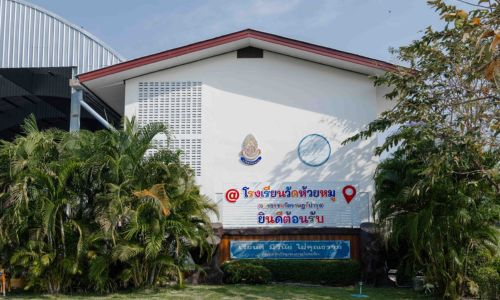
Bangkok, Thailand – True Plookpanya, under True Corporation, has partnered with the Autistic Thai Foundation to launch the fourth Autism Digital Learning Center in Thailand, located at Wat Huai Mu School in Ratchaburi province.
The initiative aims to expand digital access and life-skills training for children with autism through a technology-enabled learning environment. The new centre serves more than 80 general education and special needs students and also functions as a hub for the Ratchaburi Autism Parents Club.
According to Praparnpong Maknuan, head of True Plookpanya, the programme builds on over a decade of collaboration between the organisations. “True Plookpanya has been helping develop the potential of individuals with autism in collaboration with the Autism Thai Foundation for more than 10 years. It all began when Suphachai Chearavanont recognized the potential of these children and sent True’s team of innovators to work closely with them,” he said.
He added, “We started by developing applications to strengthen fine motor skills, then expanded into communication and daily living skills training. When we saw the children’s remarkable progress, we adapted the community learning center concept from the Connext ED project into what has become the Autism Digital Learning Center. The Ratchaburi center is now the fourth of its kind in the country.”
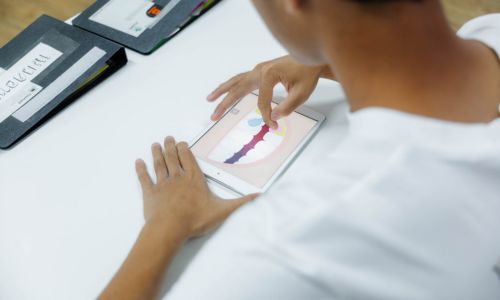
The centre operates under a “1 Center, 3 Systems” model, supporting students within the school system, those outside formal education, and children in the wider community. Programmes integrate foundational education, vocational skills, and life-skills training, including coding activities and virtual reality simulations designed to replicate real-world scenarios.
Teachers at the school said the VR headsets have played a key role in helping students practise everyday situations in a controlled setting. Simulations such as grocery shopping allow students to rehearse decision-making, item selection, and social interactions before encountering them in real life.
Educators observed that the immersive environment helps improve focus and confidence while reducing anxiety associated with unfamiliar public spaces. The technology has also drawn interest from general education students, supporting inclusive learning experiences and shared activities between neurotypical students and those with autism.
“Our shared belief is that children with special needs can use digital technology,” said Chusak Chantayanon, chairman of the Autistic Thai Foundation. “Over the past 10 years, innovations developed through the partnership between the Autistic Thai Foundation and True have enabled individuals with autism to learn, develop skills, build careers, and care for themselves throughout their lives. We are confident in continuing to support children with autism across Thailand.”