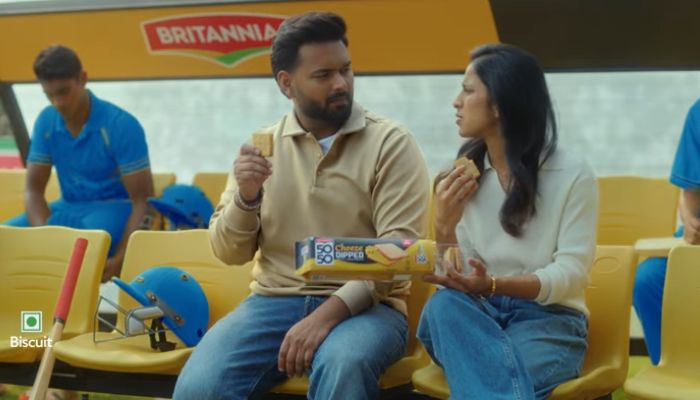

While it is an infamous forewarning to ‘never meet your heroes’, Britannia, a household company from India, challenges this hearsay.
Established in Kolkata in 1892, the Responsible Total Foods Company is known for operating key businesses in the bakery, dairy, and adjacent snacking industries and operates in over 80 countries worldwide. From its wide range of product offerings, Britannia’s consumer and consumption segments could have easily been content with remaining the good old classic brand that it is today. Hence, the brand took on the challenge to be more than just a classic and established connectivity with its built community.
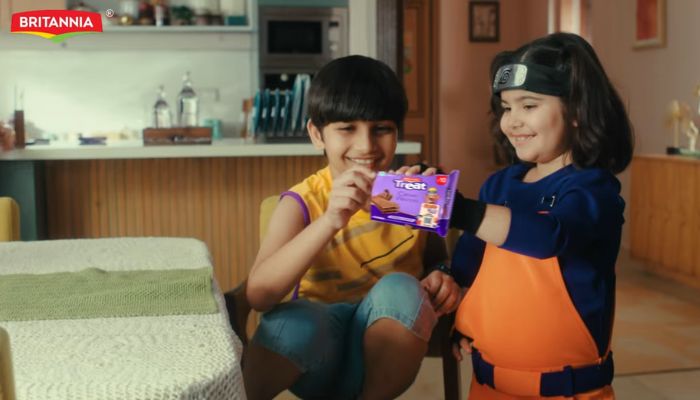
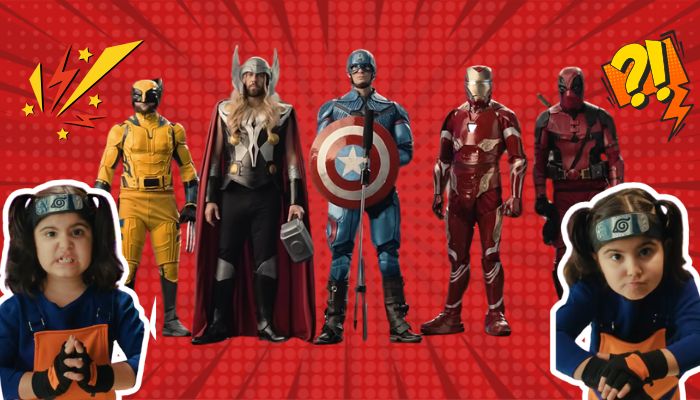
From powering Marvel-themed ‘Jim Jam’ biscuits to unleashing a child’s ‘inner ninja’ with Naruto-coded packs, Britannia champions a connection with the younger generation and those young at heart.
In this MARKETECH APAC feature, we recently spoke with Siddharth Gupta, Britannia’s vice president for marketing, to unravel how the company continues to power through communities and culture—beyond imagination.
Pop culture partnerships in action
For most marketing campaigns, interactions and engagements are fundamental ways to instantly know what clicked and what simply passed by. For Siddharth, culture plays a huge part in how people discover and interact with brands today.
This, for him, means moving beyond traditional advertising and finding meaningful ways to participate in these cultural spaces.
“Cultural collaborations allow us to do exactly that. By partnering with these well-loved franchises, we are able to engage with fan communities that already have strong emotional connections with these worlds,” he explained.
According to Siddharth, this also allows brands to build campaigns that feel relevant to what consumers ‘are already excited about’, while also incorporating engaging and immersive brand experiences.
“The focus is always to ensure the idea stays rooted in the product while making the brand feel present in popular culture,” he added.
This coincides with how pop culture helps shape their campaigns, rooted in creating opportunities to engage with the brand.
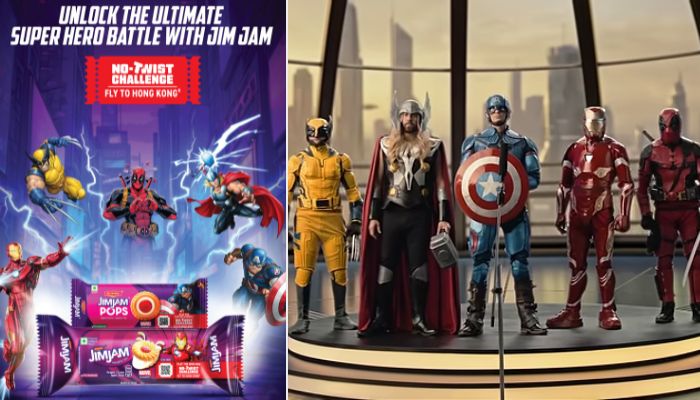
“For example, the Britannia Jim Jam collaboration with Disney Consumer Products brought Marvel Super Heroes such as Iron Man, Captain America, Thor, Deadpool, and Wolverine onto special edition packs. The campaign was built on a simple insight that Super Heroes rarely have a free hand, which made Jim Jam’s easy one-hand snacking a seamless part of the story,” explained Siddharth.
This encapsulates their idea that entertainment franchises today play an important role in how consumers engage with shared interests. “In fact, we have always believed in staying closely connected to culture and engaging with consumers in spaces that matter to them.”
Ahead of this, they also identified similar enthusiasm for their Pure Magic Choco Frames partnership with Warner Bros., as well as the recent collaboration with the anime franchise Naruto for Treat Creme Wafers.
“These partnerships allow Britannia to show up in spaces that consumers already care about, helping the brand build deeper engagement with younger audiences,” he added.
This validates how collaborations have shaped, and continue to shape, Britannia’s goal of building more holistic partnerships.
“The effort is to develop an idea that can be brought alive consistently across different touchpoints, so the experience feels cohesive and easy for consumers to connect with.”
Designing holistic collaborations
This culture-led approach was ignited by one simple realisation: Gen Z is looking for experiences that go beyond just the product.
“Snacking moments are often shared with friends and communities, which has encouraged us to think about how our brands can create small, engaging experiences around the product rather than simply communicating about it.”
Aside from this, Siddharth mentioned how brand loyalty has also evolved, especially among Gen Z.
“It is about earning their attention and trust every day through consistency, creativity, and relevance… We are also seeing that consumers move seamlessly across platforms today. Whether they encounter the brand in retail, quick commerce, e-commerce, or digital spaces, the expectation is a consistent and engaging experience across touchpoints,” explained Siddharth.
These factors powered how they shaped their marketing approach, ensuring that ideas travel naturally across platforms while keeping the product at the centre of the experience.
“One thing we always try to ensure is that any collaboration feels natural to the brand and the product. Every idea begins with a product insight, and the goal is to ensure it fits seamlessly within culture,” he highlighted.
It goes without question that establishing culture-driven collaborations is not just a traditional method to stage partnerships, but rather a marketing medium to ensure that brands, amidst the sea of product launches, stay in touch with their consumers.
By knowing what people already like, dislike, encourage, and dismiss, this leads a path towards marketing stunts that can stand the test of time, or simply age.
Ultimately, Britannia’s evolution underscores a key takeaway for marketers: staying iconic is no longer about standing still, but about continuously finding new ways to connect. In doing so, the brand not only meets its consumers where they are but proves that even the most established names can remain culturally current, without losing sight of what made them a household name in the first place.