

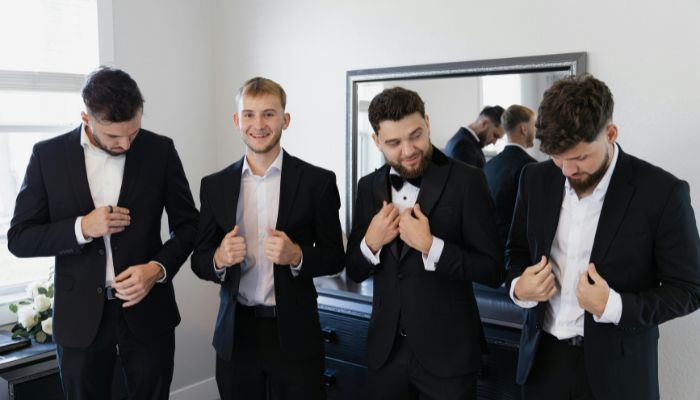
Singapore – Masculinity in Asia is undergoing a significant period of change, according to new research released by VIRTUE Asia. The report outlines how men in the region are increasingly moving away from inherited ideals of stoicism, dominance, and duty, and are instead embracing a broader spectrum of self-expression, emotional presence, and evolving definitions of success.
The study, developed in partnership with Milieu Insight and Canvas8, combines survey data from 300 men in Thailand, Indonesia and India with qualitative conversations exploring how men respond to emerging cultural narratives. It identifies three key “codes” shaping modern male identity: the diversification of masculine expression, a shift from hard power to soft power, and a redefinition of how love and care are expressed.
Zoe Chen, strategy director at VIRTUE Asia, said, “Masculinity in Asia is no longer a single story. Men are negotiating between tradition and self-expression, experimenting with who they are, how they care, and what success means. Our research shows this is less about rejecting the past and more about remixing it. The next generation of men is defining masculinity as a spectrum, not a template. Strength now sits alongside empathy, presence alongside performance, and identity alongside experimentation.”
The report’s first theme, “The Multiverse of Men,” highlights the increasing plurality of masculine identities. The survey categorised respondents into four groups: “Remixers” (63%), who adapt traditional norms to contemporary realities; “Experimenters” (17%), who explore beyond convention; “Traditionalists” (15%); and “Outliers” (5%), who reject gender labels entirely.
The second theme, “The New Male Currency,” examines the changing metrics of success. While traditional markers remain important for some—such as being the primary breadwinner (53%), owning wealth (44%) and career advancement (37%)—the research shows growing emphasis on qualities like emotional maturity (53%) and open-mindedness (47%).
The final theme, “The New Love Languages,” looks at how men express care within families, partnerships, and friendships. Emotional intimacy emerged as the most popular love language across all age groups (36%), with participants expressing a preference for consistent, everyday acts of emotional presence over traditional notions of provision and protection.
Chen added, “With masculinity being rewritten in real time, brands have a rare chance to help shape where culture goes next. The ones that lead will design for plurality, presence, and emotional fluency, not outdated ideals. Culture is ready. It’s calling for brands brave enough to answer.”







![[Collaboration] Yeos x Minions](https://marketech-apac.com/wp-content/uploads/2026/07/Collaboration-Yeos-x-Minions.webp)