


In today’s fast-moving digital canvas, marketers work like artists staring at a blank page—full of possibility, but also pressure.
Should every bold stroke follow the latest trend to capture fleeting attention, or should brands focus on layering their identity into something lasting, building resonance that stands the test of time?
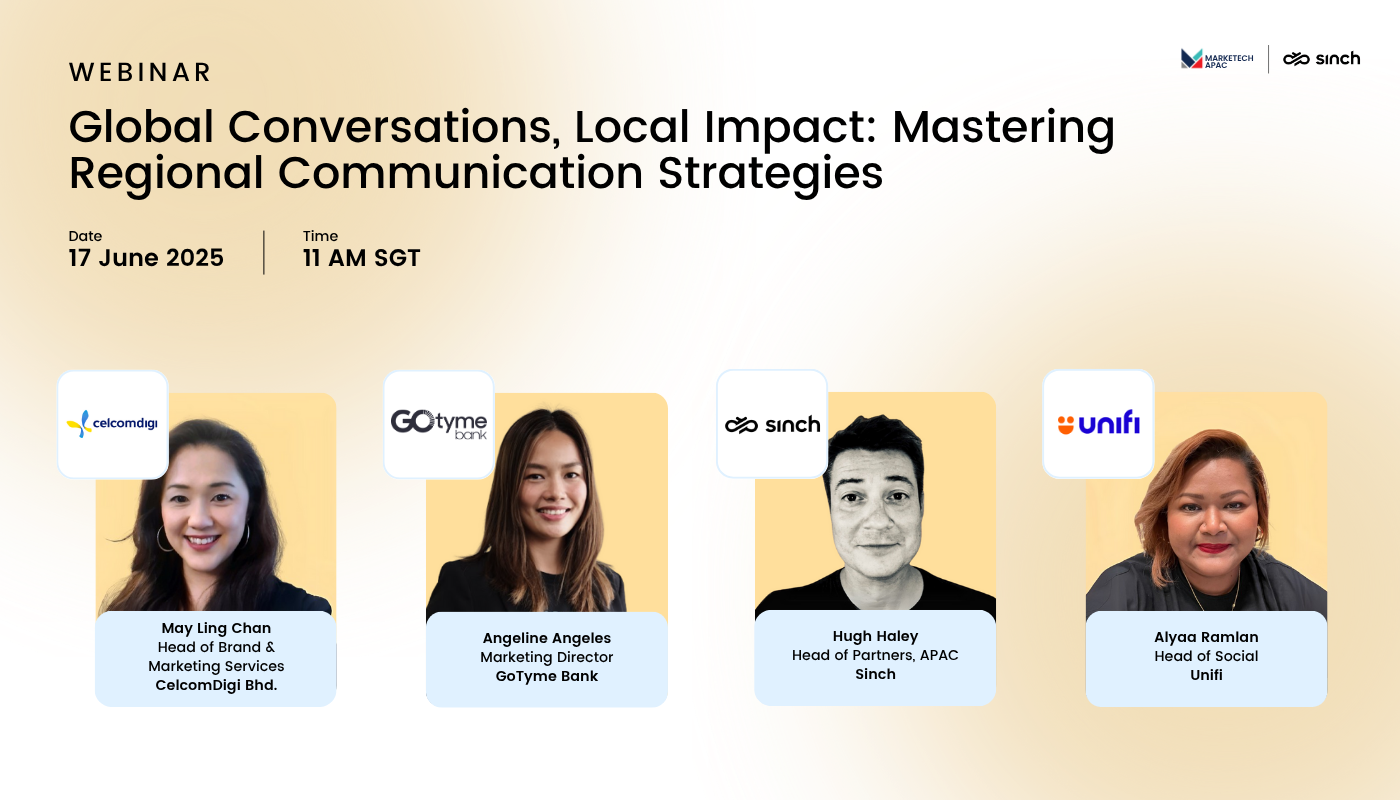
To explore how campaigns can be crafted to feel both timely and timeless, we spoke with Ace Ballesteros, AVP creative content for Nestlé; Angeline Angeles, marketing director for GoTyme Bank; Carlo Flordeliza, chief marketing officer of Kindred Health Inc, and; Jose Rafael Del Rosario, OIC chief commercial officer of AdSpark.
These experts mapped out today’s crafty, creative playbook—guiding principles that show how to sketch viral moments with intention, how to layer consistency over hype, and how to curate identities that endure well beyond 2026.
Reimagining brands to think like artists, balancing bold strokes with the discipline of craft, and building not just noise for today but meaning for the years ahead–their insights reveal a common blueprint: a set of creative steps that help brands move from simply chasing trends to cultivating strategies with lasting cultural impact.
Referencing virality with brand purpose
A viral campaign can change everything overnight, but like a bold brushstroke, it comes with risks.
From a creative expert’s standpoint, Ballesteros differentiates a viral campaign from a creative one.
“When a piece of content goes viral, you suddenly reach audiences without spending heavily on media. That’s the appeal for brands,” said Ace Ballesteros, AVP creative content for Nestlé.
But Ballesteros stresses that virality must still connect to purpose.
In execution, content must align with your brand image and equity, otherwise, people see through it as just trend-riding—a sketch without a clear outline.
“The risks of chasing a viral moment can be mitigated when your strategy is strong and firmly grounded in your brand’s values. That way, even if the execution is daring, it still makes sense for who you are,” he stressed.
In sifting through creative ideas inspired by trends, Ballesteros placed a newfound point of consideration in the planning stage of every campaign—like pausing before adding colour to ensure the canvas does not lose its form.
Sensitivity is also part of the creative process: “We often sit down and ask each other: do you think this is cancellable? These conversations matter, because sensitivity is part of the creative process, and sometimes knowing when not to post [a campaign] is just as important.”
When controversy hits a trend-riding strategy gone wrong or intentionally intended, Ballesteros offers an important perspective: “Some brands even embrace being bashed as a deliberate strategy. But if you choose that route, you need to know exactly how to manage the fallout, because it can define how people see your brand afterwards”
Layering consistency onto buzz
From a viral moment, keeping the momentum is the next thinkable step for brands—what comes after the overnight surge of popularity is like moving from a quick sketch to the careful layering of paint.
From a marketing experience that transcends beyond one hit popularity, Angeles tells us what comes next after trending.
Angeline Angeles, marketing director for GoTyme Bank, sees brand building as a long-run game of consistency.
“Brand building is all about momentum, but that momentum can only be sustained if every piece of content aligns with who you are as a brand. Virality may come overnight, but consistency is what makes the impact last,” Angeles said.
She explains that preparation helps sustain momentum with any campaign backed by a “sustaining phase” prepared in advance: “That’s how we make sure whatever [goes] viral is supported with content that amplifies it in a way that still feels recognisably us.”
“It’s tempting to chase every new trend, but our responsibility as marketers is to balance creativity with credibility. For a bank, trust and consistency are just as important as buzz,” she said.
Angeles adds that experimentation must be paired with discipline, “We experiment and take risks creatively, but we also know when to scale back. The point is not to abandon identity for the sake of novelty—it’s to show up in fresh ways that still feel authentic to our customers.”
In her view, consistency is what protects the brand over time when trends eventually falter—like a strong underpainting that holds a canvas together even when surface layers fade.
“Creativity helps us cut through the noise, but we anchor it in brand identity,” Angeles elaborated, explaining that by recognising short-term hype, brands can protect their long-term relationship with the audience.
Framing channels for native expression
With new trends popping on screens minute per minute, a “brand identity crisis” can emerge—like a canvas overwhelmed by too many competing colours—and it is not made easier by multi-channel and platform demands.
With Flordeliza’s marketing strategy, we learn more of making the middle ground feel native instead of mediocre.
Carlo Flordeliza, chief marketing officer of Kindred Health Inc., believes the art of modern marketing is about curation, not just speed in being present in every channel.
“There’s no point in chasing something viral if it doesn’t make sense for your brand or deliver real impact in your community,” Flordeliza said, citing brand strategy at the heart of every marketing decision.
When working with multi-generational creatives in a team, clashing ideas may arise.
With this, Flordeliza connects dialogue with reconciling perspectives as the ideal route to pave—like balancing contrast in a composition so that no shade drowns out another.
“The point is not to dictate but to guide, so the final output reflects both creativity and brand consistency,” he said.
Flordeliza also warns against over-reliance on fads. For him, evergreen content is like timeless art: work that carries relevance not only in the present but into the future.
“If you put all your focus on trends, your brand risks losing its identity when the wave dies down. That’s why I always lean 80-20—80 per cent evergreen content and 20 per cent trend-based,” he elaborated.
And when it comes to new platforms, he deems adaptation as essential, with every new platform demanding a “translation exercise,” not a “copy-paste job”—as no two canvases take paint the same way.
With all things considered, he circles back to brand identity as the ultimate goal to be tailored as native to every new channel as “unmistakably yours.”
“That’s how you build recognition, whether you’re showing up on TikTok, Instagram, or the next big thing,” Flordeliza said.
Drafting, refining, and erasing ideas
From a creative team’s challenge to a challenge on creativity itself, the question becomes: how does one take the jump from traditional to a refreshed new image—like moving from a tried-and-tested sketch to experimenting with a new medium?
Del Rosario offers a critical marketing consideration when ideas seem too risky.
For Jose Rafael Del Rosario, OIC chief commercial officer for AdSpark, the right approach depends on context.
“First, if [you are] a well-established brand and is currently growing year on year, [your] brand guidelines should be prioritised because you wouldn’t want to appear inconsistent to your customers,” he explained.
Authenticity, he argues, is the most important factor for campaigns to rise and persist through the clutter of trends—like knowing which strokes truly belong on the canvas and which are distractions.
Challenger brands, however, may have more room to test as Del Rosario explained: “Now if we are looking for a challenger brand trying to claim the first position, there may be an opportunity to test emerging trends in content but should proceed with caution.”
Del Rosario suggests a cautious but agile approach, “Beta testing or pilot testing content at small audiences are pivotal in order to deliver properly in alignment with trends. If it works, push with a grand launch, if not learn to let go and move on.”
He emphasised the importance of weighing the risks to every creative idea, but also of daring to push boundaries—just as an artist must sketch, erase, and redraw to see how far the piece can go before it becomes something truly new.
Curating a timeless brand canvas
Looking ahead, marketers agree that consistency of purpose will matter most—like the steady lines that give a canvas its structure.
Ballesteros warns that virality alone is fleeting: “Without a strong foundation, viral videos fade quickly. What endures is the consistency of a brand’s message across time.”
For Angeles, survival is about systems, not spike: “It’s not just about a single viral moment—it’s about building a framework that sustains wins so the brand stays strong for years.”
Del Rosario stresses agility grounded in genuine identity: “Authenticity in this day and age is the most important factor for brands to rise above the clutter and taking on an emerging trend which doesn’t merge well to a brand’s identity will not be beneficial in the long term.”
Flordeliza sees branding as a living guide, “Brands must evolve to stay relevant, or risk being left…the strongest will adapt fast while staying true to their core identity.”
He adds: “The challenge is to be relevant in the moment but timeless in essence—a living framework flexible enough to evolve yet strong enough to remind people why they believed in you.”
As any artist knows, a masterpiece is never just one brushstroke—it’s the layering, refining, and curating that give it weight.
For brands, the same is true. Viral hits may spark attention, but it is the consistency of purpose, the discipline of craft, and the courage to evolve that turn campaigns into lasting works.
In 2026 and beyond, the strongest brands will be those that know that a campaign’s power lies not in one bold stroke but in the layers that hold together over time—dynamic enough to evolve, but anchored in an identity the audience will always recognise.







![[Launch] Greater Sentosa](https://marketech-apac.com/wp-content/uploads/2026/07/Launch-Greater-Sentosa.webp)