

The AI revolution has unveiled smarter advertising tactics for brands. With efficiency, brands and agencies can leverage AI to gain deeper consumer insights for more effective strategies.
More than simply bringing new tools, AI is also changing mindsets, making way for a new approach in advertising. Practices for measurement and optimisation are getting upgrades, but only with the right approach.
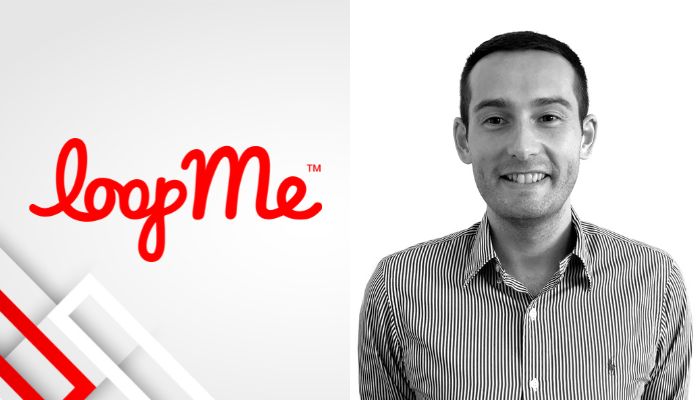
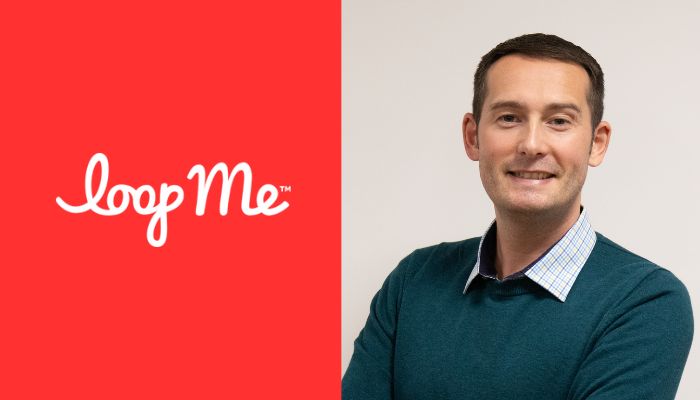
In MARKETECH APAC’s exclusive interview with James Parker, head of APAC at LoopMe, he dives into smarter strategies for brand advertising in an AI-driven industry. Embracing AI as a differentiator, James specifies efficient and effective ways to wield its predictive capabilities, transforming how brands execute their strategies.
Outcome-led brand advertising
AI in the advertising sphere is allowing brands and agencies to significantly boost their customer engagement, beyond measuring impressions and clicks. For James, AI is an opportunity to move from broad demographic targeting and passive measurement towards predicting real-world outcomes.
“At LoopMe, we believe that the future of brand advertising is outcome-led, not channel-led. Our AI uses real-time data signals and predictive modelling to identify and reach consumers who are most likely to take action – whether that’s brand uplift, consideration, or purchase intent,” James said.
The approach ensures that the ad will reach the right person at the right time for significant impact. He explains how LoopMe adopts this approach, but goes beyond media delivery.
“Our platform continuously learns and adapts mid-campaign, using a closed-loop system that optimises toward guaranteed brand outcome,” he said.
“Artificial intelligence gives brands a powerful edge in making smarter, faster, and more effective marketing decisions — especially in a landscape where attention is fragmented and traditional targeting methods are fading,” he added.
Tapping AI with balance
For James, one of the powers of AI is its ability to change brands from being reactive to predictive. It is transforming how brands execute their strategies.
He shares, “Instead of relying on historical data or post-campaign reports, AI allows brands to forecast which consumers are most likely to deliver real business outcomes – whether that’s brand recall, consideration, or purchase intent – and dynamically optimise toward those results in real time.”
With predictive ability, brands can shift their audience planning to also include their likelihood to convert rather than focusing solely on past behaviour. James also shares how media buying can be based on real uplift and how measurement can be based on actual impact.
“In a world where privacy regulations are tightening and third-party data is diminishing, AI gives brands the ability to do more with less – by making sense of anonymous data signals and delivering measurable results without dependency on cookies,” he explains.
“To truly innovate, brands need to shift their strategies from volume to value – and AI is the key enabler of that shift.”
While AI handles data processing for optimisation, human expertise plays a key role in making brand advertising effective.
James said, “The success of a campaign still relies heavily on the strategic thinking, creativity, and contextual understanding that only humans can bring.”
Providing a glimpse of how AI is used at LoopMe, he shared how they view AI as a “decision-enhancer.” While AI recommends optimisations, they review performance through a human lens, making necessary adjustments to messaging, pacing, and targeting when brand tone or context demands a more nuanced approach. This ensures authenticity and brand alignment.
“Human expertise is essential in interpreting results and refining learnings. We work with our clients post-campaign to translate AI-driven insights into actionable strategy – helping shape future brand decisions, not just campaign reports,” he said.
“Ultimately, LoopMe’s goal is not to automate the craft of advertising, but to enhance it – using AI to unlock scale, speed, and precision, while empowering humans to lead with empathy, insight, and storytelling,” he added.
The advertising industry’s future
AI is without a doubt at the centre of the advertising industry — today and tomorrow. It has become a differentiator, helping brands and agencies towards their goals.
“The future of advertising is outcome-led, AI-driven, and privacy-first,” James said.
“As consumer attention becomes more fragmented and data regulations tighten, brands will need to prioritise quality over quantity, investing in solutions that deliver measurable impact — not just impressions or views. This means the industry must move beyond vanity metrics and embrace platforms that can predict and prove real business outcomes,” he added.
While embracing the AI revolution, LoopMe goes beyond helping brands. With its capabilities and media solutions, it is driving real impact for brands. More than that, LoopMe is championing innovation, paving the way for brands to focus on outcomes, promising performance.



![[News] Philippine banks scrap online transfer fee](https://marketech-apac.com/wp-content/uploads/2026/07/News-Philippine-banks-scrap-online-transfer-fee.webp)