


Manila, Philippines — A new study from Fourth Wall has revealed that a significant number of Filipino online gambling players use unregulated platforms despite being largely unaware of the associated legal and financial risks.
The study found a considerable knowledge gap among participants, where approximately 55% admitted they were unaware of the legal risks tied to unregulated sites, with a further 33% reporting they knew “a little.” Moreover, only 12% considered the rules clear.
The survey also indicated that player behaviour is primarily shaped by perceptions of profitability and convenience rather than platform legality or safety.
This lack of awareness correlates with a general feeling of unease. When asked about their confidence in the platforms’ fairness, 39% of players expressed scepticism, compared with 27% who felt confident.
Fourth Wall research director John Brylle L. Bae, highlights that player behaviour is primarily driven by their personal perceptions and experiences rather than a platform’s features.
“Our study reveals confidence, fairness, and profitability matter more than platform features such as betting limits or affiliate programmes. This explains why players, despite the uncertainty and uneasiness, continue to engage with these platforms as long as they perceive a chance to win.”
The report also analysed player habits, finding that those who frequent unregulated platforms tend to play more heavily: 41% play two to three times a week, and almost a third play at least four times weekly. They also place higher bets, from PHP 100 to PHP 499, seldom reaching PHP 1,000.
These habits frequently lead to financial losses, with 41% of players reporting this as their primary reason for stopping.
Players on these sites are predominantly aged 26 to 45, come from lower-income brackets, and view gambling as a form of casual leisure. The study categorised them into four profiles based on risk exposure:
- High-stakes losers (44%): These players exclusively use unregulated platforms, place frequent high bets, and typically exhibit unprofitable behaviour.
- Perceived winners (28%): These individuals play on unregulated sites with frequent medium bets and believe their wins outweigh their losses.
- Casual break-even players (17%): They prioritise low-risk entertainment over high-stakes wins.
- Regulated converts (11%): These players use both regulated and unregulated platforms but play more often on the former.
Players cited greater game variety, faster transactions, convenient payment options, and more frequent promotions as the main reasons they choose unregulated sites, excluding trust and reputation as factors in decision-making.
A separate analysis by the research firm also found that unregulated platforms often lack crucial safeguards present in regulated sites. These differences include the absence of fairness certifications, a lack of ‘Know Your Customer’ procedures, and little to no betting limits. These conditions leave players exposed to significant financial, scam, and privacy risks.
Bae added, “Trust, not legality, drives player behaviour, and highlights how building confidence can shape their choices. Therefore, policy could focus on shaping conditions such as payment channels, verification systems, or advertising practices that make safer options more accessible and attractive rather than targeting players.
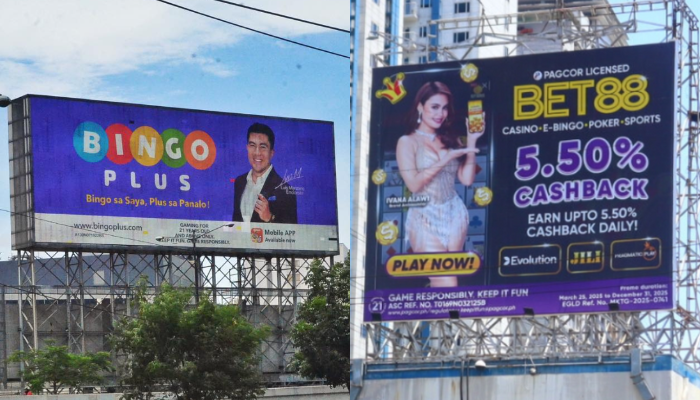
He concluded that clearer communication on the topics of protection, transparency and user rights may encourage players to regulate their behaviour.Just last month, the Department of Information and Communications (DICT) also announced the permanent halting of real-money gambling ads, a move done to align with the current administration’s efforts toward digital safety.












![[Partnership] Sanrio IP](https://marketech-apac.com/wp-content/uploads/2026/07/Partnership-Sanrio-IP.webp)