


U.S.A. – Hollywood studios including Warner Bros. Discovery, Paramount, Disney, and most recently Netflix are threatening legal action against ByteDance over its newly released AI video generator, Seedance 2.0, citing concerns over copyright infringement.
According to the Los Angeles Times, concerns escalated after a fake video depicting Tom Cruise and Brad Pitt in a fight scene went viral, triggering a wave of AI-generated clips created using Seedance 2.0.
The tool is capable of producing highly realistic videos from simple prompts, including scenes resembling major Hollywood films and portrayals of well-known actors. Users began generating content based on popular franchises such as “Game of Thrones”, “Stranger Things”, and “Bridgerton”, as well as mashups featuring characters like Wolverine and Superman or crossovers involving Transformers and Godzilla — prompting alarm among rights holders.
Netflix, Warner Bros. Discovery, Paramount, and Disney have since issued separate cease-and-desist letters alleging unauthorised reproduction of their copyrighted intellectual property.
As reported by Business Insider, Netflix sent a cease-and-desist letter to ByteDance, calling Seedance “a high-speed piracy engine” and demanding the removal of any content infringing on its intellectual property. The letter warned that the streamer would pursue immediate litigation if ByteDance did not comply.
“The use of copyrighted works to create a competing commercial product, especially one that regurgitates the original, is not protected by fair use,” Netflix’s litigation director wrote, as quoted by Business Insider.
Netflix also urged ByteDance to stop generating AI videos resembling its IP, remove existing infringing videos, and exclude its content from Seedance’s training datasets.
Disney and Paramount were the first to formally challenge ByteDance, sending cease-and-desist letters late last week.
According to the Los Angeles Times, Disney accused ByteDance of loading Seedance “with a pirated library of Disney’s copyrighted characters from Star Wars, Marvel, and other Disney franchises.”
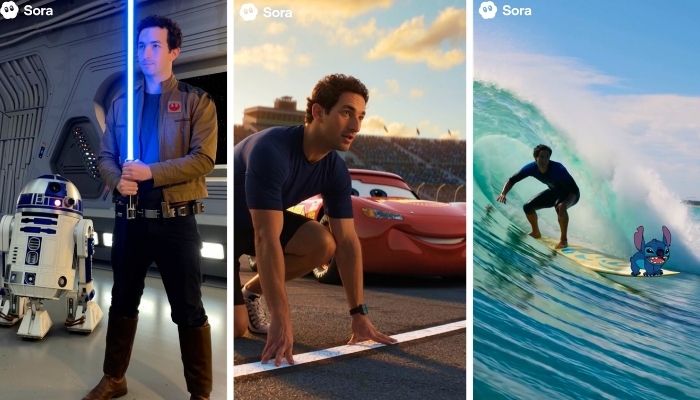
The move is notable given Disney’s recent three-year licensing agreement signed in December to bring characters from its portfolio to Sora, OpenAI’s short-form generative AI video platform.
The Walt Disney Company has confirmed to MARKETECH APAC regarding the cease-and-desist letter they have sent but have declined to comment further on the subject.
Warner Bros. Discovery also cited what it described as “blatant infringement”, pointing to AI-generated content featuring characters from the “Harry Potter” and “Lord of the Rings” franchises, as well as superheroes such as Batman. The studio argued that the AI system appeared to have been trained on Warner Bros. material without authorisation.
“But the users are not the ones at the root cause of the infringement; they are merely building on the foundation of infringement already laid by ByteDance, as Seedance comes pre-loaded with Warner Bros. Discovery’s copyrighted characters. That was a deliberate design choice by ByteDance,” wrote the studios’ legal executive vice president, Wayne Smith, per the Los Angeles Times.
In a separate report from CNBC, ByteDance said it would strengthen safeguards on the AI video tool following complaints from entertainment companies.
“ByteDance respects intellectual property rights, and we have heard the concerns regarding Seedance 2.0,” a company spokesperson said in a statement shared with CNBC.
“We are taking steps to strengthen current safeguards as we work to prevent the unauthorised use of intellectual property and likeness by users,” the spokesperson added.
The dispute highlights intensifying tensions between entertainment studios and generative AI platforms, as media companies shift from public criticism to formal legal action in an effort to protect their intellectual property.









![[Media] Aleph x FIFA World Cup 2026 PH](https://marketech-apac.com/wp-content/uploads/2026/06/Media-Aleph-x-FIFA-World-Cup-2026-PH.jpg)