


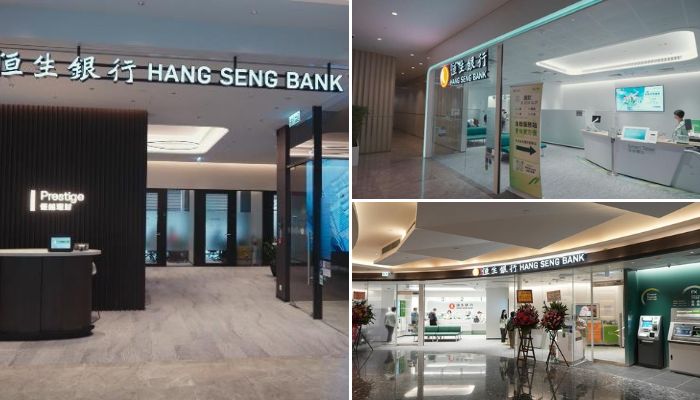
Hong Kong – Hang Seng Bank has officially been delisted from the Hong Kong Stock Exchange as HSBC completes its privatisation and full takeover of the domestic lender, which serves four million customers through over 250 branches.
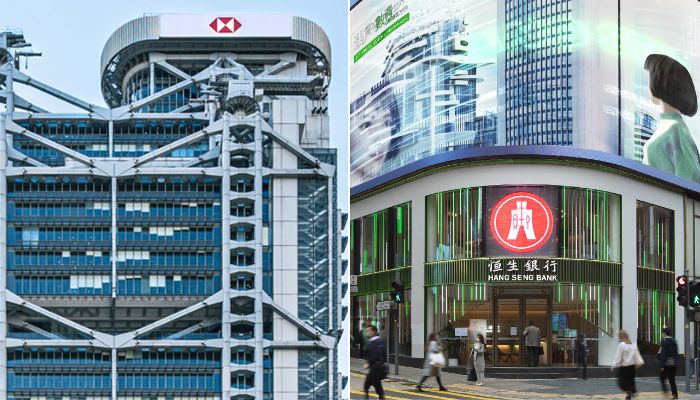
With the completion of the deal, Hang Seng Bank is now a wholly owned subsidiary of HSBC Asia Pacific and, by extension, a wholly owned subsidiary of the HSBC Group.
Commenting on the completion of the privatisation, Georges Elhedery, CEO of HSBC Group, assured consumers that Hang Seng will remain its own bank with its own governance, brand, branch network and customer proposition – the same assurance provided when the proposal was first announced in October 2025.
“What people value in Hang Seng Bank, the role it plays in the community and the way it serves generations of customers, will continue,” Elhedery said. “At the same time, the opportunities ahead grow stronger. By bringing together our shared heritage, Hang Seng Bank’s local strength and HSBC’s global reach, we will help ideas travel further, open new markets and create more opportunity for families, small businesses, entrepreneurs, investors and companies.”
“We are honoured to carry this legacy forward and confident in what we can build together in the years ahead,” Elhedery added.
In October last year, HSBC proposed the privatisation of Hang Seng through a scheme of arrangement, which would see HSBC acquire all remaining shares and delist Hang Seng from the Hong Kong Stock Exchange.
HSBC offered HK$155 per share for each Hang Seng share held by minority shareholders—a 33% premium over Hang Seng’s average share price of HK$116.5 over the past 30 days. The offer values Hang Seng at about HK$290 billion, significantly higher than most other Hong Kong banks.
HSBC previously said the move supports its goal to strengthen its business in Hong Kong, one of its key markets, while simplifying its structure and investing further in local growth.
On 8 January 2026, Hang Seng announced that its shareholders had approved the proposed privatisation.





![[Collaboration] Meme Shirts UNIQLO x GRAB](https://marketech-apac.com/wp-content/uploads/2026/06/Collaboration-Meme-Shirts-UNIQLO-x-GRAB.jpg)