

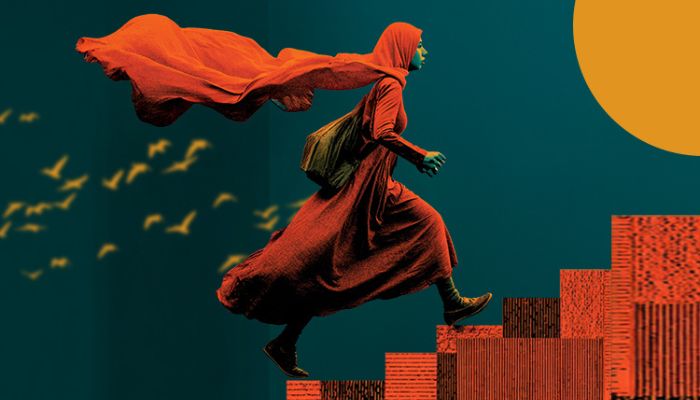
Indonesia – For Ramadan 2026, Indonesian consumers are placing greater emphasis on trust and justified value, spending more selectively and favouring brands that demonstrate empathy, transparency, and meaningful value, according to a new whitepaper by Moonfolks and Havas Moonfolks.
According to the whitepaper “From Resilience to Revival”, there is a significant shift in Indonesia’s consumer mindset this Ramadan 2026. While economic pressures remain, the narrative is no longer about survival; it is about choosing with intention.
The report builds on last year’s changes in how Indonesians allocated their Ramadan Bonus (THR). In 2026, consumers appear to be taking greater control of their finances, moving from an initial period of shock toward more deliberate decision-making. This shift is reflected in spending behaviours, with 62% of Indonesians planning their expenses earlier, 58% reducing impulse purchases, and 54% prioritising essentials while still allowing for at least one personal reward. Despite ongoing economic pressures, the paper notes that moral clarity around spending has strengthened.
The study also found that consumers intend to spend more deliberately, often seeking bundled value and product warranties.
Giving remains central to Ramadan, but the whitepaper notes that its intent is increasingly focused on rebuilding communities. Rather than symbolic gestures, donations are becoming more practical, local, and accountable, with consumers expecting transparency, traceability, and visible outcomes.
The report found that smaller, frequent acts of giving are increasingly preferred over large one-off corporate gestures. Digital zakat contributions have increased threefold, while micro-donations have risen by 40%. As a result, the study suggests that brands should position themselves as facilitators of contribution rather than the central figures in such efforts.
The white paper also highlights the evolving significance of ‘Mudik’—the tradition of returning home for Lebaran in Indonesia, which remains one of the world’s largest annual human migrations.
While the ritual has been practised for centuries, its meaning is shifting. In 2026, the report identifies ‘dignity’ as the dominant emotional driver behind Mudik, often outweighing considerations of comfort during the journey. Consumers increasingly view the trip not simply as travel but as a form of restoration. This shift is reflected in behaviours such as a 7% rise in automobile down payments, a 25% increase in renting items such as iPhones, outfits, and gadgets, and a 31% rise in group purchasing and buy-now-pay-later (BNPL) schemes to secure better deals.
The whitepaper also notes that perceptions of value are changing. Things that are cheap are no longer attractive. They need to be justified. The paper puts emphasis on this, meaning that Ramadan in 2026 is not anti-consumption; it is anti-waste.
Indonesians are increasingly seeking purchases that offer emotional reassurance alongside future relevance, suggesting that brands should position promotions as smart financial decisions rather than impulse-driven deals.
Meanwhile, the report finds that trust is shifting away from celebrity endorsements toward community influence. Consumers are seeking more intimate and credible forms of recommendation, with 40% of shoppers relying on social media, influencers, and reviews. Additionally, 61% of netizens use the “send gift” feature to support their favourite creators. The report notes that the goal is less about virality and more about shareability within trusted circles.
Beyond these behavioural insights, the whitepaper outlines a playbook for brands seeking to navigate the Ramadan period across sectors including FMCG, automotive, finance, telecoms, beauty, fashion, and home and furnishing.
From this playbook, the three key takeaways are that revival is subtle, not loud. Trust has replaced reach as the real currency, and commerce now requires moral and emotional justification.
In summary, the cultural codes shaping Ramadan 2026 in Indonesia point to four shifts in consumer behaviour: Rebuild—where faith becomes infrastructure; Reconnect—where Mudik reflects dignity; Reimagine value—from cheap to justified; and Resonate—where communities matter more than celebrities.
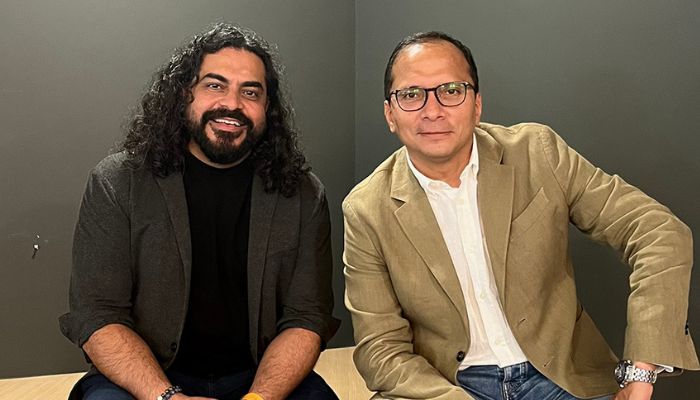
Commenting on the release, Anish Daryani, founder and CEO of Moonfolks and president director at Havas Moonfolks, said, “When the going gets tough, the tough get going. That’s the story of Indonesians in Ramadan 2026. As a community, we’re exhausted with the trepidations of constant economic downturn and living pay check to pay check. Consumers are making choices and choosing wisely. Brands need to understand these insights to succeed.”
Elki Hendria, chief strategy and digital officer and co-founder at Moonfolks, who also co-authored the whitepaper, further added, “This is the 7th edition of our Ramadan Whitepaper Series, and it was the toughest to crack. Because when the status quo looms long enough and people go past the feeling of hopelessness, to understand them, you have to dig deeper. None of the secondary data could give us answers, so we took on the challenge of speaking to consumers directly. And what we found was the journey of Indonesians, from ‘Resilience to Revival’”








![[Campaign] L'Oreal Sustainability](https://marketech-apac.com/wp-content/uploads/2026/07/Campaign-LOreal-Sustainability.webp)