


The diversity of Southeast Asia’s digital commerce landscape necessitates equally diverse strategies. Marked by various languages, consumer behaviours, and cultural nuances, the region presents a unique opportunity to develop strategies that resonate by unlocking cultural insights.
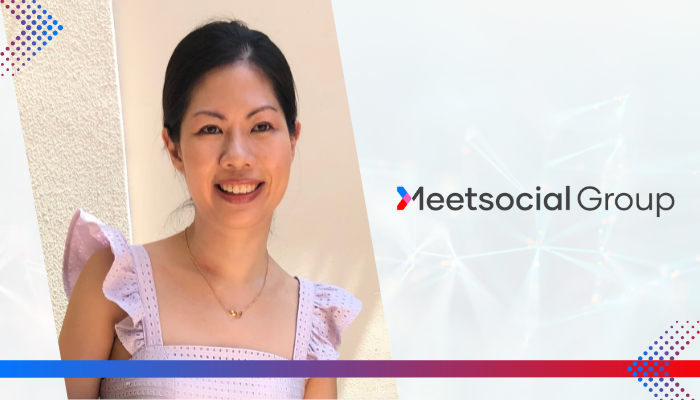
In MARKETECH APAC‘s exclusive interview with Kai Xin Lee, Managing Director at Meetsocial, she outlines how her team fuses local insights and performance marketing, helping major brands navigate the cultural landscape of Southeast Asia.
In this interview, Kai Xin unpacks what it takes to turn cultural understanding into measurable conversion and how brands can stay ahead and drive impact.
Culture as a conversion lever
For Kai Xin, cultural context is important when running campaigns. Understanding nuances and layers underneath customer behaviours can enrich strategies.
“Cultural context isn’t just a creative layer — it fundamentally shapes how people move through the conversion journey. A strategy that works in Thailand might fail in Malaysia simply because the triggers that influence purchase decisions differ vastly by culture, platform behaviour, and even shopping rituals,” Kai Xin said.
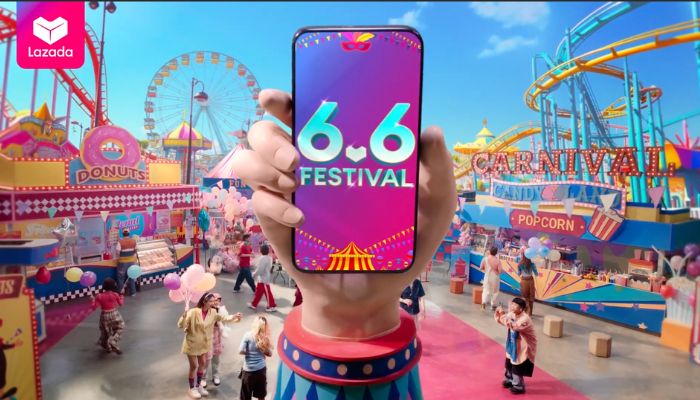
This understanding is brought to life in their work with an e-commerce giant, operating across six Southeast Asia countries.
She shares, “To drive performance, our in-house research and creative intelligence teams looked at the data and based on what was trending in each market — both in terms of platform behavior and top-selling SKUs — we developed over 5,000 localised creatives per month, each tailored to product preferences, tone, and platform nuances.”
In addition, Kai Xin is quick to point out that this is not just about language translation or aesthetic tweaks.
“This wasn’t just localisation for language. It was data-powered cultural alignment, where every ad was optimised by region, moment, and shopper behaviour. Ultimately, what converts isn’t just a good product or catchy line — it’s relevance in the right context, and that’s where cultural intelligence becomes a performance lever.”
Rethinking the consumer journey
The traditional sales funnel is a linear path from awareness to purchase, but the sales funnel today has become compressed and no longer linear. Digital consumers are more impatient in the fragmented landscape, making them more empowered as well. According to Kai Xin, this shift demands not just faster responses but smarter orchestration.
“Today, the most effective strategies compress the traditional funnel into seamless journeys that blend discovery and purchase. We have seen strong success with full-funnel creative sequencing. For example, using short-form content (e.g. TikTok) to drive discovery, then remarketing with personalised offers on Meta or high-intent keywords on Google and converting through marketplaces like Shopee or Lazada. During the peak sales period, we have achieved up to 30X ROAS.”
“We leveraged intent signals and lookalikes from high-LTV segments across platforms to guide both budget and message,” she adds.
This data-led, cross-platform sequencing enables Meetsocial to meet users wherever they are and nudge them forward with relevance and intent. However, it is not always a smooth path. Kai Xin shares how they have encountered non-native landing experiences, misaligned creative formats, and generic messaging.
As a solution, Meetsocial advises brands to design mobile-first and native creative journeys, leverage AI-powered creatives, and integrate direct checkout and autofill features for convenience.
“Frictionless doesn’t mean flashy — it means smartly engineered,” Kai Xin said.
The future of conversion
Looking ahead, Kai Xin believes that consumer behaviour will continue to shift towards faster and more compressed decision cycles. Consumers can go from discovery to purchase within minutes, especially on platforms like TikTok Shop. She also observes that commerce is shifting in-platform, as users increasingly prefer to purchase without leaving apps like Shopee, TikTok and Xiaohongshu.
“In the future, conversion strategies will be less about building perfect funnels, and more about orchestrating cross-platform micro-journeys — dynamic, responsive, and highly personalised,” she explained.
To adapt, Kai Xin calls on brands to adopt a “conversion-system thinking”, which means mapping consumers’ movements across platforms and marketplaces, while matching creatives and media strategies to their behaviour.
Additionally, brands can unlock optimisation through AI for both audience targeting and creatives, going beyond bidding strategies.
“Brands must be willing to test and fail fast. What works this 11.11 may not work next year. The best-performing brands we work with run continuous testing frameworks, allocate a percentage of the budget to innovation, and treat conversion not as a goal — but as a living system,” Kai Xin concluded.
Meetsocial’s framework enables it to drive effective conversions for clients based on their objectives. By moving to data-powered cultural insights and embedding them into cross-platform consumer journeys, brands can innovate their conversion strategy, ultimately transforming attention into measurable action.




![[Tech] Globe Business x Gemini](https://marketech-apac.com/wp-content/uploads/2026/06/Tech-Globe-Business-x-Gemini.jpg)