
Singapore – Singapore’s Central Narcotics Bureau (CNB) and Ogilvy Singapore have rolled out the second year of their three-year ‘Uninfluenced’ campaign, introducing interactive experiences designed to help youths recognise and challenge conversations that normalise drug abuse.
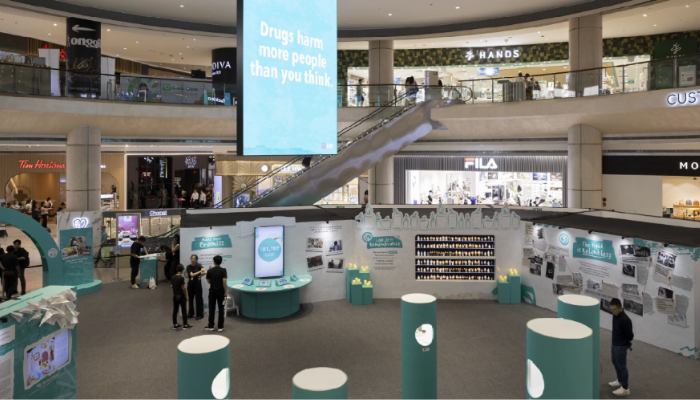
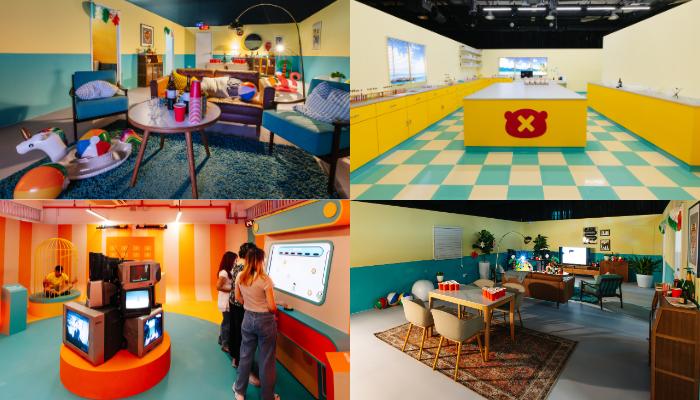
Building on last year’s campaign, which centred on the immersive escape room experience The Trip: What Happened in Larspura, the latest phase shifts its focus to what the organisations describe as “permissive drug talk”—casual comments, jokes and rationalisations that can make drug abuse appear less harmful or socially acceptable.
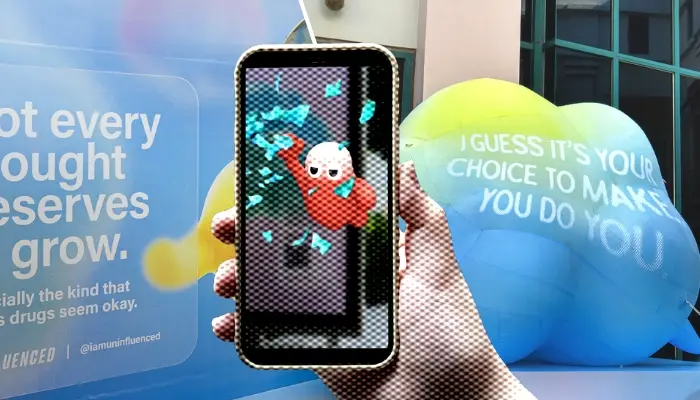
To make these subtle conversations more visible, the campaign introduces vibrant 3D speech bubbles carrying common permissive statements.
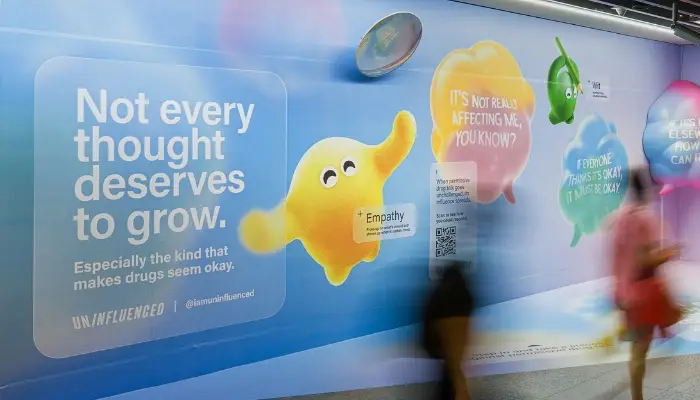
These appear across MRT platform screen doors, bus shelters, wallscape installations and inflatable displays. By scanning QR codes displayed alongside the installations, users can access an augmented reality (AR) experience that allows them to virtually “take down” the speech bubbles.
The AR experience also includes a personality quiz that matches participants with one of four ‘Uninfluenced Pals’—Gut, Wit, Reason or Empathy—each representing a different approach to responding to permissive drug conversations.
The tool is designed to help youths understand how they can confidently speak up when encountering such narratives.
The campaign extends across paid media, social platforms, content partnerships, digital experiences and on-campus activations at Institutes of Higher Learning (IHLs), where students can participate in interactive games and collaborative exercises that simulate real-world conversations about drugs.
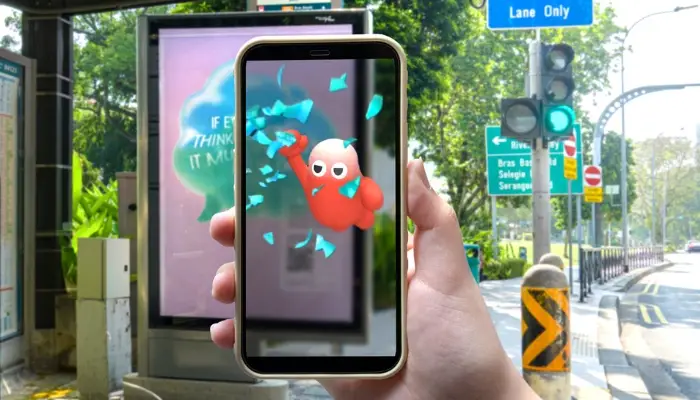
Among the highlights is the “Takedown Battle”, a larger-than-life game where participants work together to burst oversized speech bubbles carrying permissive messages before learning practical ways to challenge similar conversations in everyday situations.
According to Kaye Chow, Deputy Director (Partnership & Outreach) at CNB’s DrugFreeSG Office, the campaign recognises the influence everyday conversations can have on young people’s perceptions of drugs.
“CNB’s Uninfluenced campaign seeks to equip them with the awareness and confidence to think critically about these messages, and to respond constructively when they come across views that may normalise or downplay drug harm,” Chow said.
For Ogilvy Singapore, the creative challenge was making invisible social influences tangible.
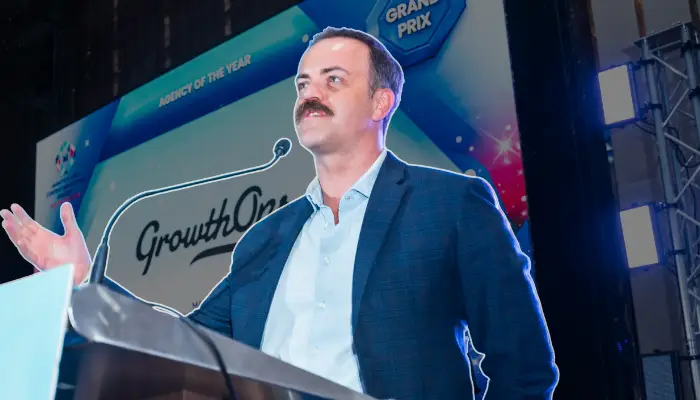
Troy Lim, Group Creative Director at Ogilvy Singapore, said the campaign visualises permissive drug narratives so young people can recognise and respond to them more easily.
“Permissive drug talk is powerful precisely because it doesn’t feel dangerous—it hides in jokes and casual rationalisations,” Lim said. “Through AR, gamification and our four Pals—Gut, Wit, Empathy and Reason—we gave permissive thinking a shape, and its audience a way to answer back.”
The second phase of Year Two, scheduled to launch in October, will further equip the youth with practical skills to initiate conversations, call out permissive thinking and encourage peers to stay resilient against drug influences.
The campaign continues CNB and Ogilvy Singapore’s broader effort to modernise preventive drug education by using immersive technology, interactive storytelling and youth-focused experiences to encourage critical thinking beyond traditional awareness messaging.

![[Creative Work] Ogilvy SG x CNB](https://marketech-apac.com/wp-content/uploads/2026/05/Creative-Work-Ogilvy-SG-x-CNB.jpg)
![[Campaign] GSK Shingles 50s](https://marketech-apac.com/wp-content/uploads/2026/04/Campaign-GSK-Shingles-50s.jpg)